
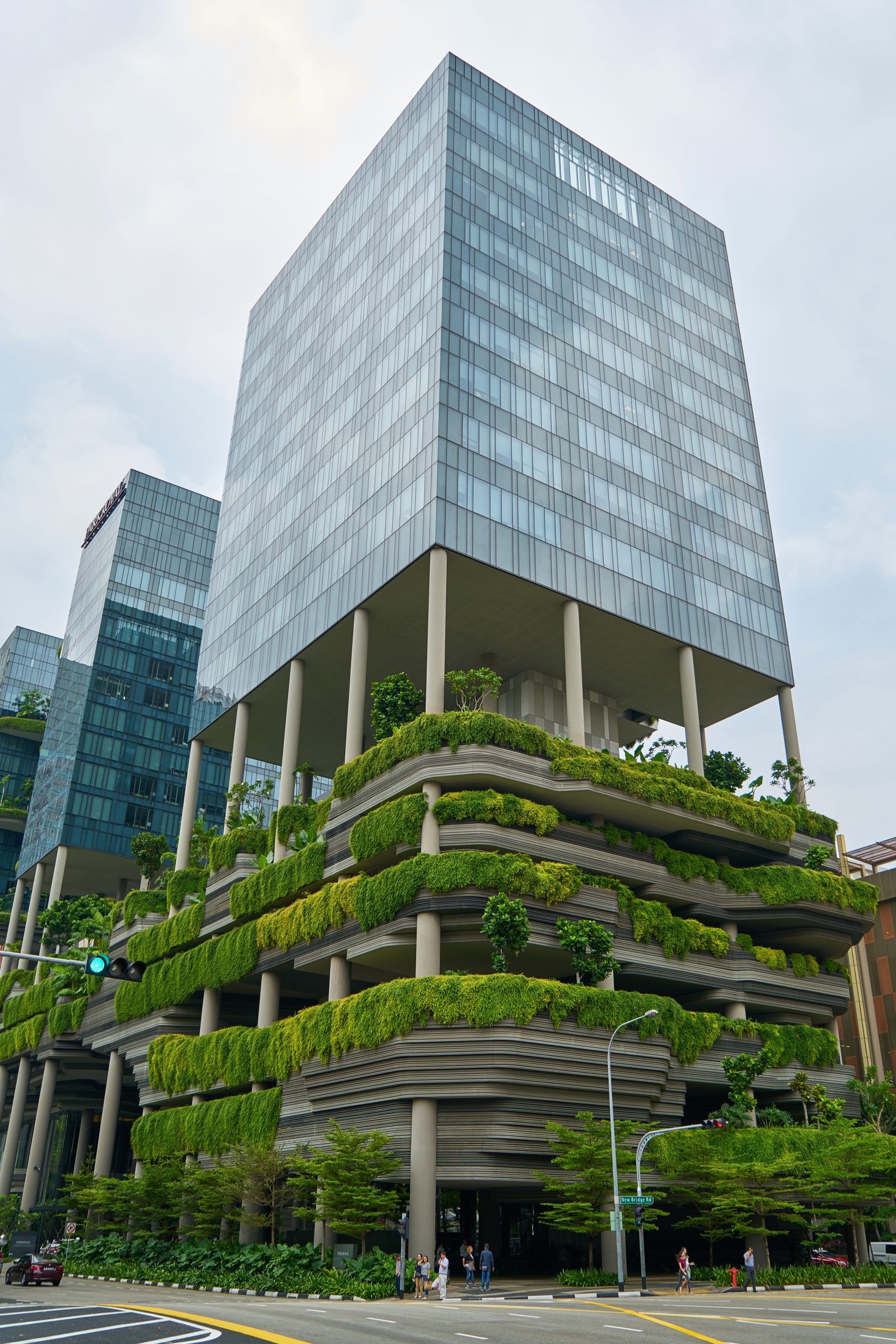

In a continent rapidly urbanizing, the concept of green building is increasingly becoming popular. As a result, many countries in Africa are gradually moving beyond simply erecting skyscrapers and shopping malls; they are now embracing the idea of more green and sustainable buildings.
This investment in sustainable construction not only facilitates vital growth, but it also addresses issues such as poverty, unemployment, and climate change. With that being said, in this article, we will explore what defines a green building and why the world needs more of them before finally diving into examples of green buildings across Africa.
What is a Green Building?
Another way to draft the question may be to ask, “what makes a building green?” You see, a green building is one that is designed, built, operated, or refurbished in a way that is resource-efficient throughout its life cycle. Therefore, a building is green when it incorporates eco-friendly features such as waste management, natural lighting, renewable energy, etc., in its design. The materials used to construct it are also usually sustainable and can include non-carbon concrete alternatives, recycled steel, and so on.
Why the World Needs More Green Buildings
Green buildings come with a myriad of benefits. They are not only good for the environment, but they are also pocket-friendly. Here’s why we need more of them in the world:
Climate change mitigation: Buildings account for a large share of global energy use and greenhouse gas emissions. However, green buildings, with their energy-efficient design and use of renewable energy, help reduce the carbon footprint.
Economic benefits: For property owners and occupants, green buildings often mean lower operating costs. It also means better occupant health and productivity, and increased asset value.
Resource scarcity: Many regions face shortages of water, energy, and raw materials. Green buildings help reduce water consumption and energy demand, easing pressure on infrastructure.
Health and well-being: Better ventilation, daylight, and low-toxicity materials improve indoor environmental quality, which supports the well-being of occupants.
Adaptation and resilience: Especially in regions vulnerable to climate effects such as heat and flooding, green building designs can contribute to resilience by reducing dependencies on fragile infrastructure.
Badass Green Buildings in Africa
1. Eastgate Center:
This mid-1990s office and retail complex in Harare, Zimbabwe, was designed by architect Mick Pearce. The structure uses a natural ventilation and cooling system inspired by termite mounds. As a result, it reportedly uses just about 10% of the energy of a conventionally cooled building of the same size in Harare. Its design also includes thick thermal mass walls, high ceilings, and clever ventilation shafts. These allow natural air flow rather than heavy mechanical cooling.
2. FNB Parkside Building:
Located in Windhoek, Namibia, the First National Bank (FNB) Parkside building is recognized as Namibia’s first green building. It comes equipped with features such as energy-efficient lighting, maximized natural daylight, and solar power systems that lower its reliance on the grid. Its water-saving fixtures, sustainable construction materials, and smart building technologies also help reduce both resource consumption and operational costs. As a result, the FNB stands as a strong example of how corporate architecture in Africa and Namibia, especially, is embracing sustainability. You can find more amazing examples of sustainable Namibian buildings in our YouTube video below.
3. Inno-native House:
Designed by Joe Osae‑Addo in Accra, Ghana, the Inno-native House uses locally-sourced materials. They include materials like timber and adobe mud blocks. The house also uses clever passive-cooling strategies. This is done by raising the structure about three feet off the ground to allow under-floor breezes. It also has sliding slatted wood screens, full-height jalousie windows for cross ventilation, and an intentional absence of conventional air-conditioning. Inno-native stands as a strong example of blending traditional building knowledge with modern sustainability.
4. Strathmore Business School:
Described as the first green business school in Africa, the Strathmore Business School in Nairobi, Kenya, was awarded the “Best Green Building Development in Africa” in 2012. This is because it incorporates a rainwater harvesting system and uses LED lighting connected to solar PV louvers. It also uses an evaporative cooling system, natural ventilation, and high daylighting.
5. Heritage Place:
Another Lagos-based structure, Heritage Place is a 14-floor Grade A office building in Ikoyi, Lagos. It is popularly described as the first commercial building in Nigeria to achieve LEED certification in both design and construction. This is because it is designed to maximize natural light and ventilation, incorporate rainwater harvesting and water reuse, and use sensors and high-efficiency lighting. It is also said to have energy savings of 30-40% compared to typical buildings in Lagos.
6. The Wings Towers:
Also known as the Wings Office Complex, this luxury twin‐tower Grade-A office building in Lagos occupies around 27,000 m² of lettable space. According to sources, it is LEED certified and has an intelligent building management system. It also comes equipped with 24-hour power backup, as well as a water management system for soil and wastewater.
7. El Mandara Eco-Resort:
This sustainable resort in the Fayoum region of Egypt was built using local materials such as mud bricks and palm fronds. The idea behind the structure was a focus on blending architecture with environment. For this reason, the building uses indigenous building materials sympathetic to the site’s climate and the environment.
Conclusion
In essence, these seven buildings illustrate that green building is not only possible in Africa, it’s already happening, gradually and with creativity. From large international organizations to community-driven prototypes, the projects span the spectrum of size, budget, function, and context.
Furthermore, if Africa is to mitigate the dual challenges of urbanization and climate change, green buildings must move from being ‘nice additions’ to becoming the norm. The good news, however, is that owning or constructing a green building is more feasible now than ever. In addition to this, it is a lot more cost-effective in comparison with traditional structures.
Here at Redcity, we prioritize green building practices and ensure to incorporate them in our projects. You can discover many of our services here and request a quote here to get started. Also, feel free to visit our YouTube channel here and check out our blog here for more enlightening news and content.
What do you think about these 7 spectacular green buildings in Africa? Let us know your thoughts below.