
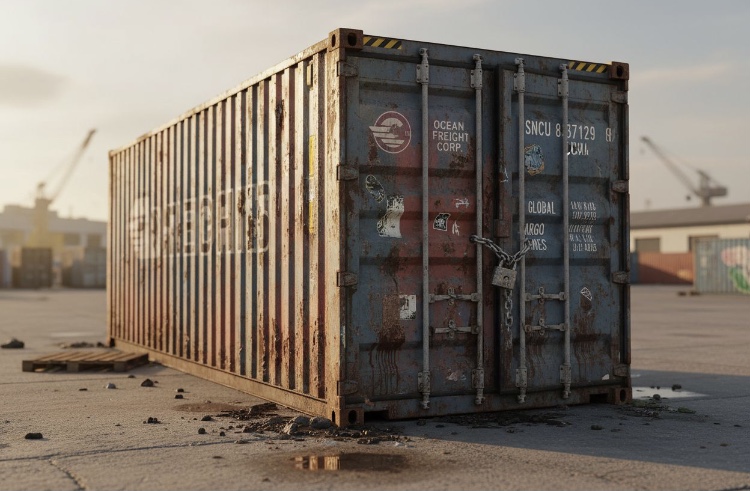
5 Fatal Mistakes to Avoid when Building with Shipping Containers

Building with shipping containers remains one of the most popular ways of building sustainably. Used in modular or prefabricated construction, shipping containers are excellent materials for fast-paced construction. Not only are they sturdy, but they are also versatile enough to serve as the framework for any livable structure. However, constructing with them can be disastrous when done incorrectly. To ensure you don’t end up regretting that container space you just built, here are 5 fatal mistakes to avoid when building with shipping containers.

1. Choosing the wrong container:

Not all shipping containers are created equal. They usually come in different sizes with varying heights and lengths. Some exist as regular 20 ft or 40 ft containers, and others as high cube containers of equal lengths, each typically measuring 8 ft wide, and 8 ft 6 in or 9 ft 6 in high, respectively. 

However, one mistake people make without realizing it is buying the wrong size of container. The problem with this is that there are requirements peculiar to each container, based on its size. For instance, ceiling insulations are best suited for high cube containers, whereas the ceiling insulations may compromise the headroom space in regular containers. Therefore, failure to take note of these differences may affect your being able to live comfortably in the structure.

2. Using very old containers: 

Another common mistake people make is buying the cheapest container available without checking its history or condition. Usually, these containers are cheap because they’re very old. Furthermore, in the long run, they usually prove to be way more expensive to use. Not only do they tend to be corroded, dented, deformed, or structurally weak, but they may have also been exposed to toxic materials such as pesticides or chemicals. As a result, you end up incurring more expenses to restore and maintain them.

Where they are not restored or maintained, however, they pose significant health risks and can end up caving in. To avoid this, it is best to purchase your containers from reputable suppliers and conduct thorough in-person inspections before buying. Also, when possible, go for one-trip or certified containers instead.

3. Over-cutting without reinforcement:

Shipping containers are strong because of their steel frame and corrugated walls. Thus, cutting out excess doors or windows from the walls and roof, or combining containers, tends to weaken the structure. In other words, modifying the container is never an issue, but over-modifying it by cutting out more steel than necessary without enough reinforcement can compromise the container’s durability, which can lead to sagging, warping, or even collapse over time.

Therefore, it is usually advisable to reinforce large openings with steel beams or frames where necessary. You can also consult an expert before cutting out large portions of steel from the container. Having a structural engineer review your design will go a long way in preventing a fatal disaster from occurring. Get started by booking a consultation with us.

4. Poor insulation:

Steel is a terrible insulator. Without proper insulation, container buildings can become extremely hot during hot seasons and very cold in freezing weather. In addition to this, rapid fluctuations in the container’s internal temperature as a result of poor insulation cause condensation and dampness that typically lead to a build-up of mold and rust, both of which pose serious health risks. 

To prevent this, use high-quality insulation systems such as spray foam or insulated panels. Also, ensure you design for adequate ventilation and moisture control from the start.

5. Bad foundation planning: 

Containers may look tough, but placing them on an unsteady foundation can be detrimental. To begin with, it causes uneven settling of the structure and can lead to structural stress in the long run. Moreover, a poor foundation can develop cracks and cause water infiltration, which exposes the structure to excess moisture and thereby weakens it.

Thus, simply placing containers on blocks or bare ground is rarely sufficient for permanent structures. Instead, design a foundation appropriate for your soil, climate, and building size. For example, concrete piers, slabs, or strip foundations.

Conclusion

Shipping containers can be an incredible building material when used correctly. However, they demand careful planning and technical knowledge. Avoiding these fatal mistakes can be the difference between a smart, sustainable build and a costly nightmare.

Therefore, before starting your container project, ensure you do your research, work with professionals where needed, and treat container construction with the seriousness it deserves. 

Or better yet, you can enlist the services of experts like Redcity. After many years carrying out various shipping container projects, we know what works best and what doesn’t when building with shipping containers. To get started, you can simply request a quote here

How do you think you can avoid these 5 fatal mistakes when building with shipping containers? Tell us your thoughts below.
7 Sustainable Construction Trends to Watch Out For in 2026

It’s 2026, and the sustainability movement is only getting stronger. Within the construction industry, sustainability is rapidly becoming the foundation for how modern buildings are designed, built, and operated. As a result, many new trends in the industry are geared towards promoting resource efficiency, net-zero emissions, and resilient infrastructure. To keep you updated and in the loop, we’ve curated a list of 7 of these sustainable construction trends set to shape the industry this new year.

1. Net-Zero Buildings as the New Standard

One thing you can expect to see more of is net-zero energy buildings, or NZEBs for short. No longer just ambitious goals, they are set to become a mainstream requirement as governments and private developers continue adopting regulations that strongly encourage or mandate lower carbon footprints. 

NZEBs are buildings that are powered by renewable energy sources and produce as much energy as they consume. They utilize energy-efficient technologies to reduce their energy demand so that their energy consumption is not more than what their renewable energy sources can produce. 

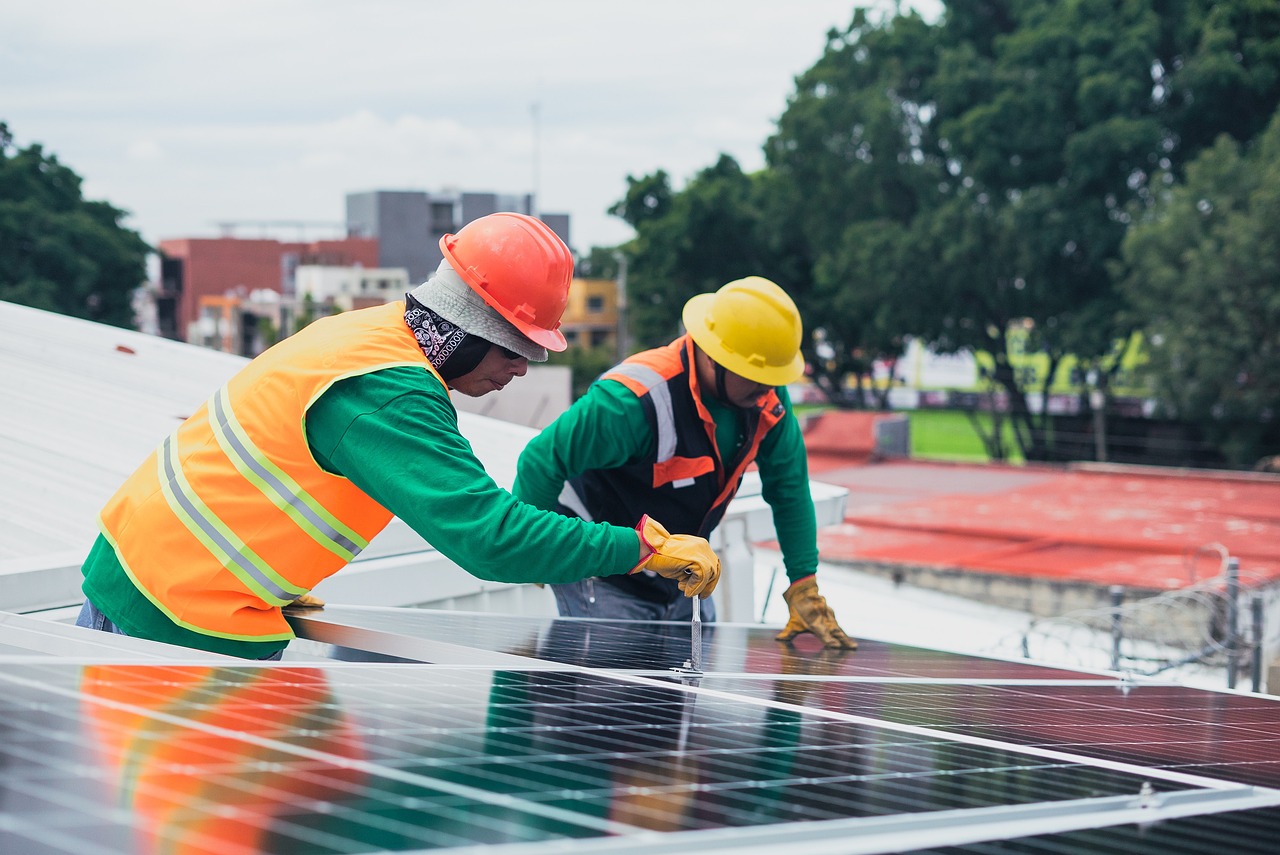
Usually, you find NZEBs designed with high-performance insulation, smart HVAC systems with adaptive, automated controls, and advanced photovoltaic (PV) integration on roofs, façades, and windows for the primary purpose of conserving energy. Essentially, these buildings consume less energy while producing enough to offset their operational emissions.

2. Growth of Low-Carbon and Carbon-Negative Materials

Material innovation is one of the most transformative trends in green construction and architecture. Before now, low-carbon and carbon-negative materials have been a go-to sustainable solution for quite a number of constructors and engineers. As such, you can expect a wider adoption of these materials this year. A couple of them include low-carbon concrete alternatives, recycled steel, reclaimed materials, and so on. These materials are crucial for reducing the amount of carbon emitted during construction.

3. Modular and Prefabricated Construction Expands

There are many remarkable benefits that come with modular construction. As a result, it is arguably one of the most common forms of sustainable construction in the world today that is predicted to stay relevant for years to come. This is because of its speed, waste management attributes, low energy consumption, and so much more. This year, more urban buildings, both residential and commercial, are set to be modular, especially due to housing shortages.

4. Smart Building Technologies Driving Efficiency

Sustainable construction doesn’t stop at the structure of a building; it also extends to how the building operates. With more buildings set to become smarter, you can expect to see a rise in smart building technologies this year. 

This is because the integration of smart systems typically enhances energy efficiency. In other words, through AI-driven energy management, occupancy sensors and automated lighting, predictive maintenance to reduce equipment failures and waste, and real-time monitoring of indoor air quality, energy consumption can be adequately managed.

In essence, these technologies enable buildings to adapt to usage patterns and environmental conditions, improving sustainability without sacrificing comfort.

5. Growth of Urban Green Infrastructure

Green infrastructure has steadily become a popular choice for construction projects across cities. This is in a bid to improve air quality, reduce floods, and support biodiversity. 

Typically, green infrastructure has to do with practices such as green roofing, incorporating rooftop gardens, and adding permeable pavements for stormwater control, as well as infusing other nature-based solutions for climate resilience. As more cities adopt climate-resilient planning this year, these features will become integral to new developments.

6. ESG Requirements Shape Construction Decisions

Environmental, Social, and Governance (ESG) criteria have, for a while now, been influencing how companies build and invest. Therefore, by 2026, expect developers to lean more towards low-impact materials and supply chains, investors to favor more green-certified buildings, and construction firms to integrate sustainability metrics into every project phase.

7. Circular Construction and Material Reuse

The industry is shifting from a take-make-dispose model to one that recycles and reuses. In other words, the industry is slowly prioritizing a more circular model. Circular construction strategies typically involve designing buildings for disassembly, reusing materials from demolition, implementing digital material passports, and reducing waste throughout building lifecycles. The approach minimizes resource extraction and supports long-term environmental goals.

Conclusion

Clearly, the green construction landscape in 2026 will be defined by innovation, responsibility, and resilience. From carbon-negative materials to smart energy systems, these 7 sustainable construction trends show that the industry is moving toward a future where sustainability is not an option; it’s an expectation. 

To become a part of the sustainability movement, Redcity has you covered. We offer expert services in sustainable construction for various building projects. You can check our services here and request a quote here to get started. Also, feel free to visit our blog and YouTube channel for more exciting news and content.

What do you think about these 7 sustainable construction trends? Tell us your thoughts below.

Redcity