
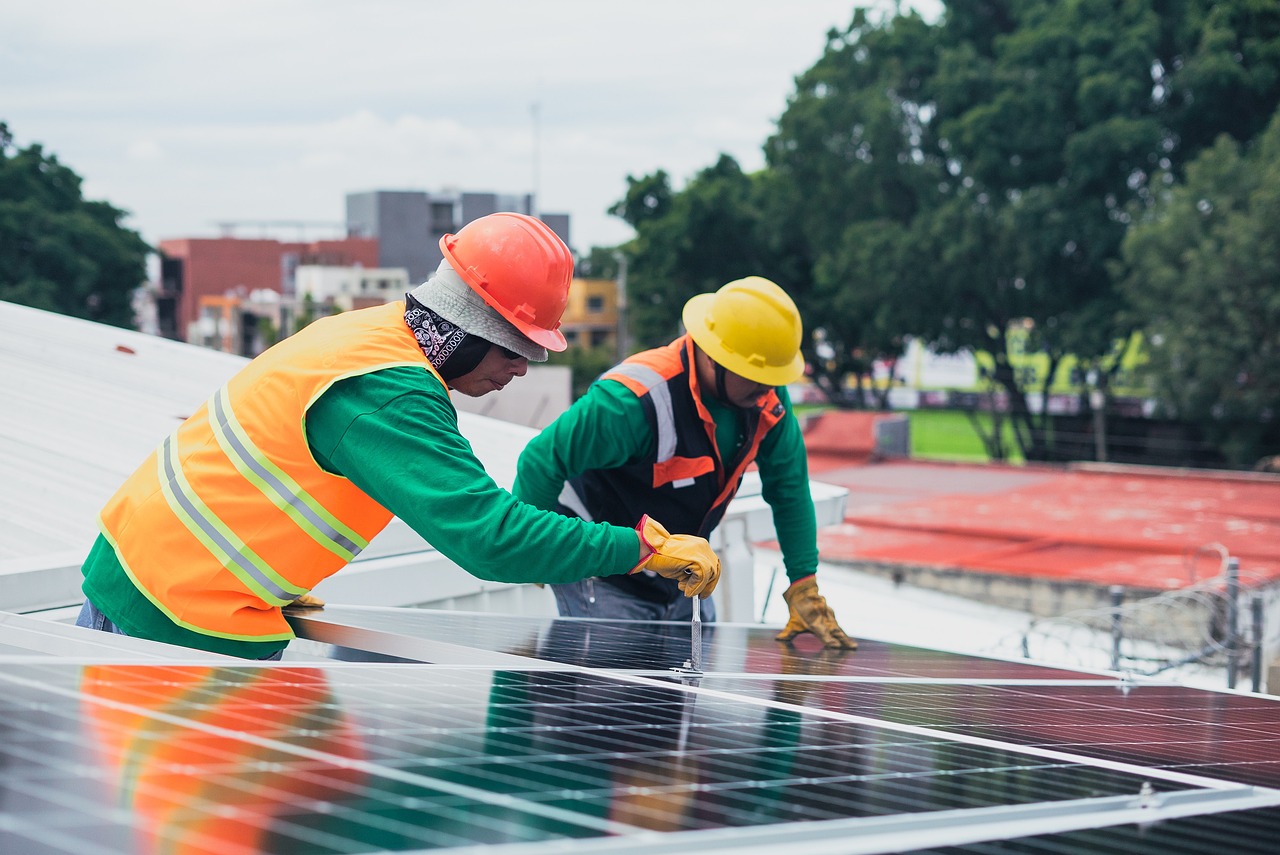

It’s 2026, and the sustainability movement is only getting stronger. Within the construction industry, sustainability is rapidly becoming the foundation for how modern buildings are designed, built, and operated. As a result, many new trends in the industry are geared towards promoting resource efficiency, net-zero emissions, and resilient infrastructure. To keep you updated and in the loop, we’ve curated a list of 7 of these sustainable construction trends set to shape the industry this new year.
1. Net-Zero Buildings as the New Standard
One thing you can expect to see more of is net-zero energy buildings, or NZEBs for short. No longer just ambitious goals, they are set to become a mainstream requirement as governments and private developers continue adopting regulations that strongly encourage or mandate lower carbon footprints.
NZEBs are buildings that are powered by renewable energy sources and produce as much energy as they consume. They utilize energy-efficient technologies to reduce their energy demand so that their energy consumption is not more than what their renewable energy sources can produce.
Usually, you find NZEBs designed with high-performance insulation, smart HVAC systems with adaptive, automated controls, and advanced photovoltaic (PV) integration on roofs, façades, and windows for the primary purpose of conserving energy. Essentially, these buildings consume less energy while producing enough to offset their operational emissions.
2. Growth of Low-Carbon and Carbon-Negative Materials
Material innovation is one of the most transformative trends in green construction and architecture. Before now, low-carbon and carbon-negative materials have been a go-to sustainable solution for quite a number of constructors and engineers. As such, you can expect a wider adoption of these materials this year. A couple of them include low-carbon concrete alternatives, recycled steel, reclaimed materials, and so on. These materials are crucial for reducing the amount of carbon emitted during construction.
3. Modular and Prefabricated Construction Expands
There are many remarkable benefits that come with modular construction. As a result, it is arguably one of the most common forms of sustainable construction in the world today that is predicted to stay relevant for years to come. This is because of its speed, waste management attributes, low energy consumption, and so much more. This year, more urban buildings, both residential and commercial, are set to be modular, especially due to housing shortages.
4. Smart Building Technologies Driving Efficiency
Sustainable construction doesn’t stop at the structure of a building; it also extends to how the building operates. With more buildings set to become smarter, you can expect to see a rise in smart building technologies this year.
This is because the integration of smart systems typically enhances energy efficiency. In other words, through AI-driven energy management, occupancy sensors and automated lighting, predictive maintenance to reduce equipment failures and waste, and real-time monitoring of indoor air quality, energy consumption can be adequately managed.
In essence, these technologies enable buildings to adapt to usage patterns and environmental conditions, improving sustainability without sacrificing comfort.
5. Growth of Urban Green Infrastructure
Green infrastructure has steadily become a popular choice for construction projects across cities. This is in a bid to improve air quality, reduce floods, and support biodiversity.
Typically, green infrastructure has to do with practices such as green roofing, incorporating rooftop gardens, and adding permeable pavements for stormwater control, as well as infusing other nature-based solutions for climate resilience. As more cities adopt climate-resilient planning this year, these features will become integral to new developments.
6. ESG Requirements Shape Construction Decisions
Environmental, Social, and Governance (ESG) criteria have, for a while now, been influencing how companies build and invest. Therefore, by 2026, expect developers to lean more towards low-impact materials and supply chains, investors to favor more green-certified buildings, and construction firms to integrate sustainability metrics into every project phase.
7. Circular Construction and Material Reuse
The industry is shifting from a take-make-dispose model to one that recycles and reuses. In other words, the industry is slowly prioritizing a more circular model. Circular construction strategies typically involve designing buildings for disassembly, reusing materials from demolition, implementing digital material passports, and reducing waste throughout building lifecycles. The approach minimizes resource extraction and supports long-term environmental goals.
Conclusion
Clearly, the green construction landscape in 2026 will be defined by innovation, responsibility, and resilience. From carbon-negative materials to smart energy systems, these 7 sustainable construction trends show that the industry is moving toward a future where sustainability is not an option; it’s an expectation.
To become a part of the sustainability movement, Redcity has you covered. We offer expert services in sustainable construction for various building projects. You can check our services here and request a quote here to get started. Also, feel free to visit our blog and YouTube channel for more exciting news and content.
What do you think about these 7 sustainable construction trends? Tell us your thoughts below.