
7 Most Sustainable Buildings in the World and Why

7 Most Sustainable Buildings in the World and Why

In our world today, several buildings exist that defy the odds of traditional architecture. These buildings are different from regular brick-and-mortar buildings not only because of their ingenious designs but also because they embody elements of sustainability and energy efficiency.

Moreover, because of their innovative designs, these magnificent structures have become a vital part of tackling climate change and reducing our environmental footprint.

With that said, here’s a look at 7 of the most sustainable buildings in the world and why they are considered such.

1. Shanghai Tower:

The Shanghai Tower is not only the second-tallest building in the world, but it is also one of the most sustainable skyscrapers. Constructed in 2008, the structure is located in the financial district of Shanghai, China. The tower features a unique twisted design, which allows it to reduce wind loads and makes it more resistant to earthquakes. Additionally, its double-skin façade provides excellent insulation, reducing the need for heating and cooling. The tower also incorporates wind turbines to generate energy, a rainwater collection system, and a geothermal energy source, allowing it to save energy costs and reduce its carbon footprint by 34,000 metric tons a year. This is why it is Platinum certified by LEED, underscoring its commitment to sustainability.

2. The Edge:

Built in 2014, the Edge is often hailed as the world’s most sustainable office building. This high-tech masterpiece, situated in Amsterdam, is not only smart, but it also consumes 70% less energy than a traditional office building. It is recognised as a net-positive energy building because it generates more energy than it consumes, thanks to its 65,000 sq ft of solar panels and its energy-efficient design. The Edge features an intelligent system that not only stores thermal energy but also optimizes natural lighting and reuses energy, reducing the need for artificial lighting and heating. This earns it a 98.4% sustainability score on BREEAM's rating system, primarily because of its use of sustainable materials like glass.

3. One Central Park:

One Central Park in Sydney, Australia, is an innovative multi-residential complex known for its vertical gardens. Plants cover the building’s façade to not only enhance its aesthetic appeal but to also improve air quality. To add to this, the complex has a central thermal plant that provides renewable energy, heating, and cooling. Additionally, it features a rainwater harvesting system and uses low-energy lighting. Thus creating a building that harmonizes with nature while also reducing environmental impact.

4. The Crystal:

The Crystal, located in London, is one of the world’s most sustainable buildings and a symbol of sustainable urban development. It is an events venue that was a sustainable cities initiative by Siemens. The building is fully electric, powered by solar energy, and heated through a ground-source heat pump. This allows it to save on energy costs. It also incorporates a water harvesting and recycling system as well as an ingenious management system that regulates the building’s energy. In essence, the Crystal showcases innovative environmental technology, and operates with zero carbon emissions, making it a notable net-zero building.

5. Bullitt Center:

Considered the most sustainable commercial building in the world, the Bullitt Center in Seattle, USA, is a model of sustainability. It is another net-positive energy building and relies entirely on renewable energy, with a large solar array on its roof. It also utilizes a rainwater filtration system for converting rainwater to potable water. Additionally, it uses geothermal wells for heating and cooling the building and has composting toilets. To add to this, the center can last 250 years, promoting a long-term sustainability approach and therefore making it a trailblazer in sustainable architecture.

6. One Angel Square:

One Angel Square in Manchester is another sustainable office building in Europe that has a BREEAM rating of "Outstanding." The building is powered by a CHP (Combined Heat and Power) system run using rapeseed oil. It also uses geothermal earth tubes for natural ventilation and has a rainwater harvesting system to reduce water consumption, making it highly sustainable.

7. Bosco Verticale:

Bosco Verticale, or "Vertical Forest," are two residential towers in Milan, Italy, that integrate dense tree coverage on their balconies. These towers host over 20,000 trees and plants, which help absorb CO2, reduce pollution, and enhance biodiversity in the city. The building also promotes energy efficiency by providing natural insulation and minimizing the need for artificial cooling and heating.

https://youtu.be/lqvmjAJWS7A?si=m12pkEY6Fj4DNszJ

In essence, these seven buildings exemplify the future of sustainable architecture and sustainable engineering. By integrating renewable energy, resource efficiency, and innovative designs, they set new standards for future construction. Thus, as the world continues to focus on reducing carbon footprints and building smarter cities, these structures serve as inspiring models for architects and developers globally.

Redcity recognizes the value of these exceptional buildings and more, which is why we prepared this enlightening list.

To check out more exciting news and updates, visit our blog here. Discover all of our products and services here and request a quote here to get started. Also, check out our newly launched YouTube channel here and follow us on Instagram so you don't miss out on any important announcements.

What are your thoughts about these 7 most sustainable buildings in the world? Comment below.

 

Redcity’s Road to 1000 subscribers

Redcity's Road to 1000 subscribers

Redcity is thrilled to announce the official launch of our YouTube channel!

As part of our commitment to bringing you the latest and best in sustainable engineering and eco-friendly content, our new channel will be your go-to source for informative videos, behind-the-scenes insights, and exclusive content. In addition, we have giveaways planned for subscriber milestones. As such, subscribers stand a chance to win cash prizes for being a part of our exciting journey.

Here's What to Expect:

Our YouTube channel will feature a variety of content, including:

Product Introductions: Get a chance to discover many of our products and learn more about them.

Education on Engineering: Learn so much about the field of engineering and discover insightful tips and ideas relating to the field.

Industry News and Trends: Stay updated with the latest developments in sustainable engineering and see how Redcity is leading the way.

Climate Change News: Expect the latest in climate change developments around the world and the efforts to curb them.

DIY Videos: Learn how you can create your very own eco-friendly structures using oil drums, metal scraps, and other recyclable materials.

And much more exciting content posted weekly!

Whether you're a loyal customer or new to the Redcity community, our YouTube channel has something for everyone.

Giveaway Announcement

To celebrate the launch of our YouTube channel, we will be hosting exciting giveaways! We believe that our incredible community drives our success, therefore, this is our way of saying thank you.

As such, following our recent achievement of 100 subscribers, Redcity aims for 900 more with more giveaways planned for more lucky subscribers once we reach 1000. To become a lucky winner, here's all you need to do:

  • Subscribe to our YouTube channel here.
  • Watch, like and comment on our videos, letting us know your thoughts.
  • Share the videos with your friends and family so they can also join in.
  • Then, finally, follow us on Instagram @redcityestate for follow up announcements and trivia questions.

The giveaway is open to everyone, and lucky winners will be chosen at random. Additionally, the winners will be announced on our channel, so stay tuned!

View this post on Instagram

A post shared by Red City (@redcityestate)

Above all, the launch of our YouTube channel marks the start of an exciting new chapter for Redcity, and we're thrilled to share it with you. By subscribing, you’ll be joining a community that values innovation, sustainability, and growth.

In view of this, we appreciate your continued support, and we look forward to bringing you content that inspires, educates, and entertains. Feel free to click the link below to visit our channel.

https://youtube.com/@redcityproperties?si=KY7sVONMGiVNYzeG

Subscribe and turn on your bell notifications so you don't miss out on any new content we post.

Stay connected with Redcity on Instagram @redcityestate for more updates and announcements.

You can also check out more exciting news and updates here and discover all our products and services here. Lease any of our products here and request a quote here to get started.

Wouldn't you love to be a part of Redcity's Road to 1000 subscribers? Comment below.

The Unexplored Potentials of Micro-grid Kiosks

The Unexplored Potentials of Micro-grid Kiosks

In the face of growing energy demands, soaring oil prices, climate change, and the need for sustainable development, innovative energy solutions are becoming increasingly essential.

One such solution is the micro-grid kiosk, a small, decentralized energy system that provides electricity to underserved or remote communities. These kiosks represent a promising approach to bridging the energy gap, particularly in regions where traditional grid infrastructure is either unreliable or non-existent.

What Are Micro-grid Kiosks?

Micro-grid kiosks are compact, self-contained energy systems designed to generate, store, and distribute electricity locally. Unlike conventional grids that rely on centralized power plants and extensive transmission networks, micro-grid kiosks operate independently, often utilizing renewable energy sources like solar, wind, or biomass. This independence allows them to provide power to isolated or off-grid communities that might otherwise remain in the dark.

Typically, a micro-grid kiosk includes solar panels, batteries for energy storage, and a control system that manages the distribution of electricity. However, some may also integrate wind turbines or other renewable energy technologies, depending on the available resources in the area. The electricity generated can power homes, schools, small businesses, and even health clinics, providing a critical service to communities that lack reliable access to energy.

The Benefits of Micro-grid Kiosks
Energy Access in Remote Areas:

Micro-grid kiosks are particularly valuable in remote or rural areas where extending the traditional grid is either too costly or technically challenging. By bringing power directly to these communities, micro-grid kiosks help to improve the quality of life, enabling better education, healthcare, and economic opportunities.

Sustainability:

Using renewable energy in micro-grid kiosks contributes to reducing carbon emissions and combating climate change. Solar panels, for example, produce clean energy while minimizing reliance on fossil fuels and also mitigating environmental impact.

Resilience and Reliability:

Micro-grid kiosks are inherently resilient. Because they operate independently of the larger grid, they are less susceptible to widespread power outages caused by natural disasters or infrastructure failures. This reliability is crucial for maintaining essential services, especially in vulnerable or disaster-prone areas.

Economic Empowerment:

By providing consistent and affordable electricity, micro-grid kiosks can stimulate local economies. Thus, they enable small businesses to operate more effectively, create job opportunities, and support the development of local industries. Additionally, local communities can manage and maintain the kiosks, fostering entrepreneurship and technical skills.

Scalability and Flexibility:

Micro-grid kiosks are versatile systems that can be tailored to meet the unique needs of a community. They can start small, powering a few homes or businesses, and expand as demand grows. This flexibility allows for gradual investment and development, making it easier to adapt to changing circumstances.


In light of these benefits, organizations across the globe have deployed micro-grid kiosks in various forms, demonstrating their potential to transform remote communities. For instance, in countries like Kenya and Nigeria, solar-powered microgrid kiosks have enabled students to study after dark, improved access to healthcare, and supported the growth of local businesses.

Also, in India, micro-grid kiosks set up in rural areas supply electricity for basic needs such as lighting, etc. These kiosks often serve as community hubs, offering additional services like internet access and water purification, further enhancing their value to the community.

Challenges

However, despite their many advantages, microgrid kiosks face several challenges. To begin, setting up these systems can be expensive, especially for financially disadvantaged areas. Additionally, maintenance and technical support are crucial for the long-term sustainability of these systems, requiring ongoing training and investment in local capacity building.

Nevertheless, as technology advances and the costs of renewable energy components continue to fall, the feasibility of microgrid kiosks is improving. Innovations in battery storage, for instance, are enhancing the ability of microgrid kiosks to provide consistent power even without the required weather conditions. Furthermore, international development organizations, governments, and private companies like ENGIE Energy are increasingly recognizing the potential of microgrid kiosks, leading to greater investment and support.

In essence, microgrid kiosks represent a powerful tool in the quest for universal energy access. As such, as the world continues to prioritize sustainability and inclusive development, microgrid kiosks will likely play an increasingly important role in shaping the future of energy distribution, empowering communities, and driving economic growth across the globe.

Check out more exciting news and updates here and visit here to discover all the products and services we offer. Lease any of our products here or request a quote here to get started.

Did you find “The Unexplored Potentials of Micro-grid Kiosks” enlightening? Comment below.


5 Ways to Mitigate Climate Change

5 Ways to Mitigate Climate Change

Climate change is an undeniable reality affecting every corner of the globe. As a result, issues like rising temperatures, changing weather patterns, and extreme weather conditions are increasingly changing the natural world and human societies as a whole.

The impacts of climate change are evidently profound, and addressing them requires urgent global cooperation and innovation. With that said, here are a few ways climate change has impacted the world:

Effects of Climate Change
Rising Temperatures:

The Earth's temperature has risen by about 2 degrees Fahrenheit since the late 19th century, with the past few decades experiencing the most intense warming. According to NASA, 2023 was the warmest recorded year since 1850. This rise is largely attributed to the accumulation of greenhouse gases such as carbon dioxide (CO2) and methane in the atmosphere, primarily from burning fossil fuels, deforestation, and industrial activities.

Melting Ice and Rising Sea Levels:

The rise in temperature, has brought about a concerning increase in the rate at which polar ice caps and glaciers are melting. As a result, the Arctic sea ice is actively shrinking, and the Greenland and Antarctic ice sheets are slowly losing mass. This melting has led to a rise in sea levels, which threaten coastal areas around the world. Furthermore, low-lying areas, including parts of Bangladesh, the Maldives, and coastal cities like Miami and Jakarta, face increased flooding and land loss.

Extreme Weather Events:

Climate change is intensifying the rate and severity of extreme weather conditions. As a result, hurricanes, typhoons, and cyclones are becoming more powerful and destructive. Moreover, heatwaves are becoming more frequent and intense, leading to increased mortality rates and straining energy and water resources. Droughts are also affecting water availability and agricultural productivity, while heavy rainfall and flooding cause damage to infrastructure and the displacement of populations.

Ecosystem Disruption:

Many ecosystems are struggling to adapt to the rapid changes in climate. For example, coral reefs, which support a quarter of all marine species, are experiencing widespread bleaching due to warmer ocean temperatures. Forests are also facing increased risks from wildfires, pests, and diseases. Furthermore, biodiversity loss is accelerating, with many species unable to migrate or adapt quickly enough to survive the changing conditions.

Human Health:

Climate change also affects human health in various ways. Heat strokes, air pollution, and the spread of vector-borne diseases like malaria serve as potential risks to human health and are becoming more prevalent as the climate changes. Food and water security are also threatened as changing weather patterns and extreme weather events gravely impact agriculture and water supply.

Although the effects of climate change are devastating and worrisome, to say the least, certain solutions can be adopted to help alleviate the impact of this global issue. Thus, here are 5 ways to mitigate climate change:

Ways to Mitigate Climate Change
Renewable Energy Transition:

In reducing greenhouse gas emissions, shifting towards renewable energy sources such as solar, wind, and hydropower is crucial. A number of companies and forward-thinking individuals are already taking the lead in harnessing these sources of energy. With the rise in technological advancements, the shift to renewable energy sources is becoming more affordable and plausible, leading to increased adoption worldwide.

Climate Finance:

Financial support for developing countries is another way essential for effective climate action. Climate finance aims to assist these nations in transitioning to low-carbon economies and building resilience against climate impacts. Thus, various financial mechanisms like The Green Climate Fund (GCF), play a vital role in mobilising resources.

Adopting Innovative Technologies:

Innovations in technology, from carbon capture and storage (CCS) to advanced agricultural practices, are also critical for mitigating and adapting to climate change. Because of this, research and development in these areas are receiving increased attention and investment. Similarly, various companies around the world are adopting other innovative solutions to help mitigate the effects of climate change.

Public Awareness and Action:

Another way to help mitigate the effects of climate change would be by raising public awareness about climate change and encouraging individual and collective action. Grassroots movements, youth activism, and community-based initiatives like the Green Campus Initiative in Nigeria are driving efforts for stronger climate policies and practices.

Green Investing:

Green investing, which focuses on funding environmentally sustainable projects and companies, is an integral part of the global response to climate change. Investors are increasingly acknowledging the financial and environmental benefits of supporting sustainable practices in various fields and industries. For example, green bonds, sustainability-linked loans, and impact investing are channels through which capital is directed towards projects that contribute to climate mitigation and adaptation.


In summary, climate change is a global challenge that requires collective action and urgent responses. The impacts are diverse and far-reaching, affecting every aspect of life on Earth. However, through joint efforts, countries can definitely alleviate the devastating effects of climate change and develop a more sustainable future. Thus, through international cooperation, innovation, and commitment to sustainable practices, the world can rise to this unprecedented challenge and also protect the planet for future generations.

Redcity is an advocate for mitigating climate change. By recycling and upscaling metal waste products and also creating awareness, we contribute to reducing environmental waste while also enlightening the public about the dangers of climate change and various ways to control it. In addition, we design and build structures made from metal materials such as shipping containers, oil drums, metal scraps, and so on, for businesses and individuals alike. Our goal is to develop affordable infrastructure through recycling and adopting other sustainable solutions.

To discover more about our services, simply click here. Lease any of our products here or request a quote here to get started. You can also get more exciting news and updates here.

Did you find “5 Ways to Mitigate Climate Change” insightful? Comment below.


Service Kiosks for Online Businesses

Service Kiosks for Online Businesses

In the ever-evolving landscape of e-commerce and digital business, online businesses continually seek innovative ways to enhance the customer experience and streamline operations.

One standout solution is the adoption of service kiosks. While they are generally associated with physical retail and service locations, service kiosks are now making a huge impact on online enterprises.

As a result, these service stations provide a variety of benefits that meet the needs of modern consumers and businesses alike.

What Are Service Kiosks?

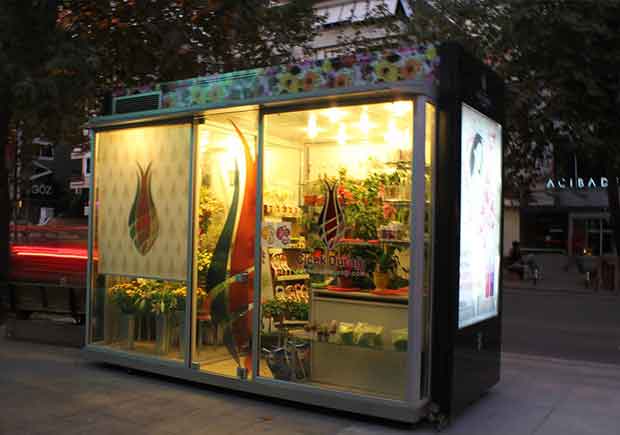
Service kiosks are interactive, small, portable booths that allow customers to perform various transactions and engage physically with virtual businesses.

Usually run by one or two people, or sometimes electronically, these kiosks are low-cost space alternatives for small and emerging online businesses alike.

Moreover, they can serve multiple purposes, from facilitating order pickups and returns to providing customer support as well as product awareness.

Key Benefits of Service Kiosks for Online Businesses

Offline Visibility

Service kiosks serve as a convenient and interactive way for customers to engage with online businesses in physical locations. By placing kiosks in high-traffic points such as shopping malls, airports, or transit stations, these businesses become able to not only reach to a broader audience but also increase product awareness.

Builds Trust

With a significant rise in scams and false advertising in the online trade market, consumers are usually wary of purchasing goods online. However, by adopting kiosks, consumers are made to feel safer, knowing there's an offline location they can head to if the need arises. Also, these kiosks provide instant access to products and services, showing customers that the business is reliable and responsive to their needs.

Enhanced Customer Convenience

Service kiosks offer customers a quick and efficient way to complete transactions and also access services. Whether it’s picking up an online order, returning a product, or seeking information, kiosks provide a hassle-free experience that saves time and effort.

Increased Sales Opportunities

Since these kiosks serve as points of sale, they encourage customers to make additional purchases when picking up orders or seeking assistance. This therefore results in more sales and cross-selling opportunities for online businesses.

24/7 Availability

One of the significant advantages of service kiosks is their ability to operate round-the-clock, especially if they are electronic. This ensures that customers can access services at any time, catering to different time zones and schedules and enhancing overall customer satisfaction.

Ways Online Businesses can Use Service Kiosks

Temporary Event Set-ups

Online vendors are increasingly adopting temporary service kiosks as sales stations for events and shows. Event goers are able to browse products, make orders, and pay directly at the kiosk. As a result, these businesses are able to create awareness as well as increase their customer base.

Click-and-Collect Services

Many online retailers are adopting kiosks for click-and-collect services, where customers can pick up their online orders at a convenient kiosk location. This approach not only reduces shipping costs but also provides customers with a faster and more flexible pickup option.

Order Pickup and Returns

Many online businesses have implemented service kiosks for order pickups and returns. Customers can scan a code or enter an order number to retrieve their items or initiate returns, making the process quick and seamless.

Customer Support and Assistance 

Kiosks can provide instant access to customer support services such as FAQs, troubleshooting guides, and live chat with support agents. This enhances customer service and reduces the burden on call centers.

Product Demonstrations and Sampling

For businesses that sell products requiring customer interaction, kiosks can serve as interactive demo stations. Customers can also test products, watch videos, and access detailed information, making it easier to make informed purchasing decisions.

Challenges and Considerations

However, it is important to note that while service kiosks offer numerous benefits, there are also challenges to consider. For instance, regular maintenance and proper management are crucial to ensuring the smooth operation of service kiosks. Additionally, businesses must ensure that kiosks are user-friendly and accessible to all customers, including those with disabilities. It is also key that these kiosks are developed in such a way that they can be deployed in various locations. Furthermore, to effectively harness their potential, it is important that they are set up in strategic high-traffic locations to reach a broader audience.

In essence, service kiosks represent a major advancement in the way online businesses relate with their customers. These kiosks create a smooth, streamlined and customised experience that unites both the digital and physical worlds, thereby increasing consumer satisfaction as well as business expansion.

Here at Redcity, we prioritise business growth and development by offering cost-effective construction services to small and emerging businesses as well as large corporations. By using sustainable materials in construction, we develop affordable structures like these service kiosks that serve their purpose efficiently.

To discover more about the services we offer, visit here and try out our cost estimate calculator here. To lease any of our products, click here and request a quote here to get started. You can also visit our blog here for more tips and ideas.

Did you find “Service Kiosks for Online Businesses” helpful? Let us know.


7 Venture Capital Firms Investing in ESG Startups

7 Venture-capital Firms Investing in ESG Startups

In the dynamic world of venture capital, a new generation of firms is making waves around the world. From Europe to Africa, Asia, and North America, these firms are revolutionizing the business scene by investing in ESG startups.

However, they are not only providing much-needed capital to these startups but also nurturing innovation and driving sustainable growth in their respective regions. Additionally, by investing in ESG efforts, these firms incentivize more startups to adopt ESG practices in actualizing their innovative ideas, thus promoting positive environmental and social reforms.

Here, we delve into the unique focus and strategies of 7 venture capital firms investing in ESG startups:

1. 10x Founders:

Based in Germany, 10x Founders supports early-stage tech startups around the world, especially in the DACH region (Germany, Austria and Switzerland). Additionally, the firm leverages a robust network of successful entrepreneurs and investors to provide not just capital but strategic mentorship and resources. With a focus on sectors such as software, fintech, and deep tech, 10x Founders aims to accelerate the growth of innovative, sustainable startups, ensuring they have the tools and support to grow effectively. A few of these remarkable startups that the firm supports include: Fernride, sustainable logistics company; Cyclib, a startup that sustainably recycles batteries for electric vehicles; and Lenco, a Nigerian-built mobile bank app for freelancers, SMEs, and tech startups.

2. 100X.VC:

Over in India, 100X.VC is a venture capital firm that stands out for its distinctive approach to early-stage investments. The firm utilizes iSAFE (India Simple Agreement for Future Equity) notes to streamline the investment process. This approach is designed to be more founder-friendly, making it easier for startups to secure the initial capital needed to grow. Moreover, 100X.VC's portfolio spans a wide range of sectors, including technology, consumer goods, healthcare, and education, all aimed at fostering significant players in their industries. As a result, you can find startups like Battery Pool, BreatheESG, and Emo Energy among the ESG-compliant companies supported by 100X.VC.

View this post on Instagram

A post shared by 100X.VC (@100x.vc)

3. 20 Ventures:

In Italy, 20 Ventures is making its mark by providing hands-on support to early-stage technology-driven startups. Furthermore, the firm focuses on sectors such as digital health, artificial intelligence, and clean technology in a bid to support innovative solutions that can disrupt traditional markets. Their approach basically involves deep engagement with their portfolio companies, ensuring they receive the guidance and resources needed to thrive in competitive markets. Sustainable startups like Levante are one of such companies backed by 20 Ventures.

View this post on Instagram

A post shared by 20V (@20ventures)

4. A2D Ventures:

Based in Thailand, A2D Ventures is a venture capital firm that prioritizes investing in early-stage startups across Southeast Asia. The firm seeks to accelerate the growth of innovative startups so as to enable them to create more job opportunities, empower individuals, and also contribute to the sustainable growth and development of southeast Asia. A2D Ventures raises capital for these startups through their large community of angel investors and family offices. The firm is committed to backing visionary entrepreneurs that have the potential to disrupt industries and create new market opportunities. Notably, sustainable startups like Sleek EV and Baniql are among the remarkable companies backed by A2D Ventures.

View this post on Instagram

A post shared by A2D Ventures (@a2dventures)

5. ABB Technology Ventures:

ABB Technology Ventures (ATV) is the corporate venture capital arm of ABB Group, a global leader in industrial technology and automation. ATV focuses on investing in breakthrough technologies that align with ABB's core business areas, including robotics, industrial automation, electrification, and digitalization. The firm targets early-stage to growth-stage startups that are developing innovative solutions capable of transforming industries and driving sustainability. ABB Technology Ventures provides not only financial support but also access to ABB's vast industrial expertise, global market presence, and extensive customer base, which can significantly accelerate a startup's development and market penetration. In a bid to achieve their goal of enabling a more sustainable future, they are actively investing in sustainable startups like Lumin, Direct Energy Partners, and Okto Grid.

6. Alpha Intelligence Capital VC Firm:

Alpha Intelligence Capital (AIC) is a venture capital firm specializing in artificial intelligence and deep-tech investments. AIC focuses on backing startups that are leveraging AI to create transformative solutions across various industries, such as healthcare, finance, transportation, and cybersecurity. As a result, they seek out companies with strong technical foundations and the potential for significant market impact. AIC provides its portfolio companies with deep domain expertise, strategic insights, and a robust network of industry connections to help them navigate the complexities of scaling AI-driven technologies. This is because their mission is to support the next generation of AI innovators and help them achieve global success. Said innovators include startups like Our Next Energy.

7. The Catalyst Fund:

With over 80 portfolio startups accelerated by them, The Catalyst Fund focuses on supporting innovative fintech and sustainability-driven startups in developing regions, especially in Africa. Since its launch in 2015, the firm has positioned itself as a key player in the global effort to expand financial access and resilience among low-income communities. Its aim is to support entrepreneurs with innovative ideas that can tackle challenges plaguing the world today, most especially climate change. This is why it actively invests in firms like Bekia, Biobuu, Coldhubs, Farmz2U, NoorNation, Thola, and much more.

In essence, these seven venture-capital firms exemplify the diverse and vibrant landscape of venture capital across different regions. Each firm brings a unique approach to supporting startups, tailored to the specific needs and opportunities within their regions.

Moreover, they are not only funding the future but actively shaping it. As they continue to nurture the next generation of successful startups, their impact will undoubtedly resonate across the global economy and encourage sustainable development.

Like the startups supported by these VC firms, Redcity is also ESG compliant. Discover the services we offer here and click here for more news and updates.

What do you think about these 7 Venture Capital Firms Investing in ESG Startups? Comment below.


Redcity’s Cost Estimate Calculator

Redcity's cost estimate calculator is a tool that approximates the cost of custom-built projects based on various factors such as product type, square metres, delivery location, quantity, and other expenses. You can find it on our custom-build page, right below the products we offer.

The calculator helps in budget planning and decision-making by providing an estimate of the expected expenses. In addition, it helps with risk management by identifying potential cost overruns and assessing the feasibility and profitability of projects.

With that said, here's a breakdown of its components and how it works:

Features:

Product type: This component lists the types of customisable products available, as well as their prices. They include container offices, container homes, branded kiosks, modular houses, upscaled furnishing, and beach cabanas.

Measurement: Here, you decide the number of square metres required for the project, ranging from a minimum of 1 sqm to a maximum of 100 sqm.

Quality Assurance: This feature measures the durability level required, which ranges from 1 to 5.

Add-on services: This stipulates the add-on services included in construction and allows the option of removing or adding said services. The services include design and material procurement. You can add both services or remove one or both, depending on the specific project requirements.

Delivery Zone: Here, you pick the region, within or outside Africa, to which you would like the product delivered.

Quantity: Here, you state the quantity of the product required, the highest being 100 pieces.

Summary and breakdown: This provides a summary of the total cost, as well as a breakdown of individual cost components for transparency and review.

How to Use Redcity's Cost Estimate Calculator:
  • Click on the custom-build bar and choose the product you want to customise.
  • Next, type in the number of square metres required.
  • Afterwards, choose how durable you want the product to be.
  • Then choose whether you want all add-on services, just one, or none.
  • Select the region you want the product delivered to.
  • Then, finally, type in the quantity required.

The calculator will automatically calculate your total cost, and you can review and adjust it where necessary to suit your budget. In essence, the calculator processes your inputs to provide a detailed report, helping you to ensure the project stays within budget and on schedule.


In summary, Redcity's cost estimate calculator provides critical insights and helps ensure that your visualised projects are accurately brought to life and are within budget.

If you would like to design and build your very own container house or office, modular house, kiosk, furnishing, or beach cabana, visit our custom-build page here and scroll down to use our cost estimate calculator. Afterwards, click here to request a quote and get started.

Discover more of our services here and visit here for more news and updates.

What do you think about Redcity's cost estimate calculator? Comment below!


Redcity Partners with KADIFF for the Film Festival’s 7th Edition

Redcity partners with KADIFF for the film festival's 7th edition, coming up on August 27, 2024. The Kaduna International Film Festival (KADIFF) is the first international film festival in Northern Nigeria.

Founded by Audu Kashim Israel, this annual event celebrates the art of filmmaking in Nigeria and all over. It is a five-day-long festival that provides a platform for filmmakers to not only display their work and win awards, but also share ideas, and promote cultural variety through cinema.

KADIFF aims to foster the growth of the Nigerian film industry while providing opportunities for emerging filmmakers to connect with industry professionals. It features film screenings, exhibitions, workshops, and also networking events, attracting both local and international participants.

What's more, through its diverse selection of films and events, KADIFF contributes to the development of the Nigerian film industry and promotes cultural exchange on a global scale.

The seventh edition of this esteemed festival is set to take place from August 27th to 31st, 2024, and is themed Cinema and Cultural Exchange.

View this post on Instagram

A post shared by KADUNA INT FILM FESTIVAL (@kadunafilmfestival)

Making up its board of jurors this year will be a number of seasoned professionals in the film industry. The likes of which include: Dr. Victor Okhai, Faithia Balogun Williams, Anna Deluche, Prof. Femi Shaka, Dr. Ekaette Brian Edem, and more.

View this post on Instagram

A post shared by KADUNA INT FILM FESTIVAL (@kadunafilmfestival)

In fostering community engagement, Redcity partners with KADIFF for the film festival's 7th edition by providing booths and stalls for vendors while also expanding the festival's outreach. This way, Redcity assists KADIFF in not only promoting local businesses and talents but also creating vibrant spaces for people to connect and celebrate art.

Essentially, this collaboration will create a vibrant atmosphere for both filmmakers and participants during the festival, ultimately enhancing their overall experience.

View this post on Instagram

A post shared by Red City (@redcityestate)

For vendors seeking to save a space at the film festival, KADIFF has begun registrations! Request your booth here! Follow their social media page here to stay updated.  

What do you think about the Kaduna International Film Festival? Comment below.

Redcity’s Global Sustainability Exhibition

Redcity's Global Sustainability exhibition is scheduled for June 27th, 2024 - June 29th, 2024.

Theme: Sustainability in Emerging Economies

This is a virtual exhibition and conference that brings together business leaders, industry experts, investors, and decision-makers in the sustainability and ESG sectors.

With the constant rise in global temperatures, changes in climate, and many more environmental issues impacting the globe, the need for sustainable solutions cannot be understated.

The purpose of the exhibition is to showcase and create networking opportunities for sustainability-focused companies across the globe and drive sustainability development in Africa.

There are four ways to participate:

Attendee Pass:

As an attendee, you will have the opportunity to join the online meetings. You also get to ask questions, share thoughts with the speakers, and network.

Exhibitor Pass:

As an exhibitor, you will have the opportunity to exhibit and educate about your product, and schedule a one-on-one session with a pre-selected participating company. You also access networking opportunities, feature in the Global exhibition film, and include promotional material for your brand throughout the event.

Initiator Pass:

With the Initiator pass, you will have the opportunity to exhibit and educate about your product. You get to schedule one-on-one sessions with 5 pre-selected participating companies. You are also open to specialized networking opportunities, featuring in the film, and promotions for the event. In addition, you get to partner with Redcity for the next 12 months to facilitate entry into African markets (Nigeria, Ghana, Cote d'Ivoire, South Africa, Kenya, Tanzania, Morocco, Senegal, & Ethiopia).

Connector Pass:

The connector pass gives direct and immediate access to all participating companies including scheduling one-on-one sessions with as many of them as needed, featuring in the global exhibition film with interview sessions, and promotional opportunities. Partnership with Redcity for the next 24 months to facilitate entry into African markets (Nigeria, Ghana, Cote d'Ivoire, South Africa, Kenya, Tanzania, Morocco, Senegal, & Ethiopia), including introductions to relevant parastatals, and a 3-month offline activation project launching in June.

Please note that all passes are limited so every participant can get the most out of the exhibition.

To participate, register here.

In summary, the exhibition will be a significant milestone in the sustainability and ESG sector globally. It will as well increase visibility, provide profitable partnerships, investment opportunities, and early go-to-market research.

View our 500 Global ESG ranking here to see where you placed. Also, learn how you can improve that rating here.

What do you think about Redcity's Global Sustainability Exhibition? Will you join? Comment below!


5 Easy Ways to Improve Your ESG Rating

5 Easy Ways to Improve your ESG Rating

Now, more than ever, ESG has become the most important framework for determining a company's level of sustainability and ethicality. As a result, investors, consumers, and other stakeholders increasingly scrutinise companies based on their ESG performance.

Consequently, a high ESG rating not only signifies a commitment to sustainability but also reflects sound management practices and risk mitigation strategies.

For this reason, it is important that companies adopt sustainable practices to not only improve their ESG ratings but to also make positive impacts in society. With that said, here are 5 easy ways to improve your ESG rating:

•Training:

Empower your workforce with the expertise and knowledge needed to integrate sustainability into every aspect of your operations. By offering training programs, like Redcity's sustainability course, you can enlighten them on various eco-friendly practices. This way, you foster a culture of sustainability and can ensure that employees are actively engaged in driving positive change within the organization.

View this post on Instagram

A post shared by Red City (@redcityestate)

•Repurposing:

Repurposing is a great way to not only reduce your environmental footprint but also cut costs. Whether it's finding innovative ways to reuse waste products, like discarded shipping containers or even sawdust and wood ash, or refurbishing equipment instead of purchasing new ones, repurposing is a good way to improve one's ESG rating. Essentially, exploring opportunities to repurpose materials and resources within your business processes helps drive your sustainability efforts.

View this post on Instagram

A post shared by Red City (@redcityestate)

•Choose Eco-friendly Solutions:

Another way to improve your ESG rating is by opting for eco-friendly alternatives when procuring supplies or even event materials. Select products and vendors that prioritise sustainable sourcing, production, and packaging practices. For example, when organising or attending events or exhibitions, consider using eco-friendly booths made from recycled materials or renewable resources. By making conscious choices at every stage of your procurement process, you can minimise environmental impact and enhance your ESG performance.

View this post on Instagram

A post shared by ThermoryUSA (@thermoryusa)

 
•Upscaling:

The act of upscaling involves transforming waste materials like metal scraps, cans, plastics, etc. into products of greater quality and value. This helps reduce waste while also giving it a newer and better purpose. Oil drums, for example, can be upscaled to create innovative furniture or equipment. Companies like Quadloop are experts in upscaling and have transformed various electronic waste materials into better yet inexpensive quality products for families and businesses in Africa.

https://www.instagram.com/p/C4RSNA9t3JB/?igsh=NTc4MTIwNjQ2YQ==
View this post on Instagram

A post shared by Red City (@redcityestate)

•Sustainable investing and partnerships:

Align your investment strategies with ESG principles by directing capital towards companies and projects with strong ESG credentials. You can consider integrating ESG criteria into your investment decision-making process or partnerships and actively engaging with portfolio companies to drive positive change. By supporting sustainable initiatives, you not only generate financial returns but also contribute to broader societal and environmental goals. Take Google, for example, who, in their efforts to push sustainable causes, invested in an air testing initiative in Uganda.

View this post on Instagram

A post shared by AirQo (@airqo_project)

In summary, by implementing these practical steps, you can enhance your ESG rating, strengthen your resilience, and create long-term value for all stakeholders. Upholding sustainability is both a moral and strategic imperative for building a more resilient and inclusive future. This way, you can also become a part of the top-ranked companies in Redcity's Global 500 ESG ranking.

Just like you, we also prioritise sustainability and eco-friendly practices, and a few of our services include repurposing shipping containers, building eco-friendly booths, training, etc. To check out more of our services, visit here. Request a quote, and begin your sustainability journey with us.

Did you find "5 easy ways to improve your ESG rating" helpful? Comment below.

 
Redcity