
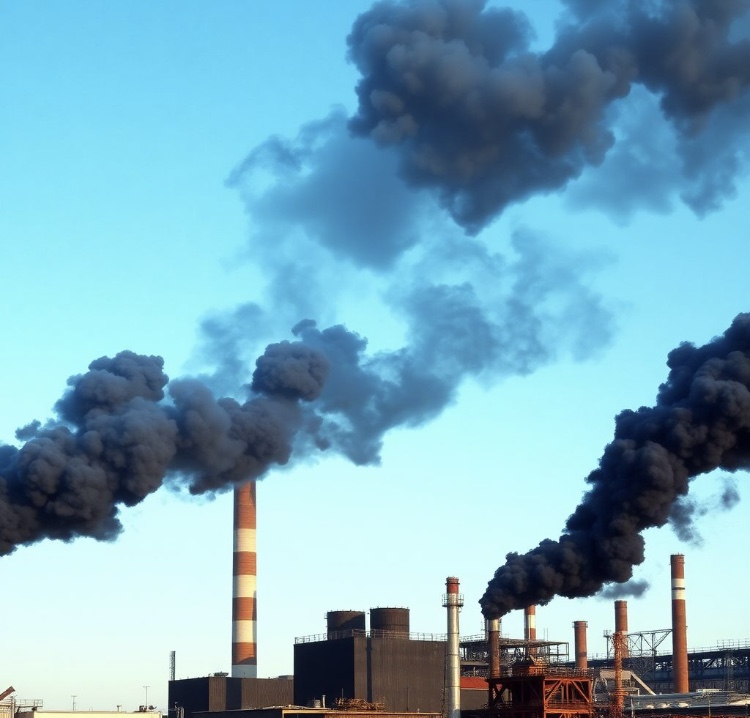
Climate change and global warming have been long-standing issues affecting our world for a while now. For years, countries have come together to discuss solutions for combating these life-threatening issues, one of which is the absorption of carbon emissions from the atmosphere every year to achieve net-zero emissions in the long run. As a result, countries, through bold policy decisions, innovative technologies, and long-term planning, have become remarkable in reducing their carbon emissions.
While no nation has a perfect record, several stand out for achieving measurable and sustained emission reductions. Here are five of these countries that offer compelling examples of climate progress.
Denmark:
Denmark has long been a climate leader, steadily reducing emissions while expanding its economy. The country’s success lies heavily in its early and aggressive adoption of wind power, which now supplies a significant portion of national electricity demand. A few things this small but mighty nation did were to invest heavily in offshore and onshore wind farms, implement strong policies for energy efficiency, and encourage public-private partnerships in green technology. Recently, Denmark also imposed taxes on agricultural emissions in a bid to reduce emissions from the industry and plans to buy back about 15% of its agricultural lands from farmers to plant one billion trees over the next 20 years. By 2045, the country aims to reach carbon neutrality, and its steady decline in emission shows how its diverse efforts are making a commendable impact.
United Kingdom:
The United Kingdom has achieved one of the fastest reductions in carbon emissions among major economies. A remarkable portion of its progress comes from its rapid phase-out of coal-fired power plants, once the backbone of the nation’s electricity supply. They did this by introducing carbon pricing mechanisms, investing in offshore wind, and supporting energy-efficient building and transport policies. Currently, the UK’s emissions have fallen significantly compared to 1990 levels, demonstrating how policy and market shifts can drive major structural changes.
Costa Rica:
Costa Rica has become a global symbol of sustainable development. For multiple years, the country has generated over 98% of its electricity from renewable sources, including hydropower, wind, and geothermal energy. The country made sure to prioritize natural conservation, establish strong environmental protection laws, and invest consistently in renewable infrastructure. Additionally, Costa Rica aims to become one of the world’s first decarbonized economies, with transportation as its next major target.
Germany:
Germany’s famous Energiewende, “energy transition/turnaround,” has helped the country steadily reduce emissions while increasing renewable energy production. By phasing out nuclear and coal power and massively expanding solar and wind energy, Germany has made significant progress in its transition. The country also creates incentives for electric vehicles and energy-efficient buildings to promote public participation in sustainable practices. Although still facing challenges, Germany remains a major industrial power, demonstrating that carbon reductions and economic growth can coexist.
China:
China is the world’s largest emitter, but it has also made some of the most significant contributions to global emissions reductions, which is why it deserves an honorary mention. This densely populated nation has contributed to decarbonization by slowing emissions growth, investing massively in clean energy, and committing to peak emissions before 2030. For instance, China is the world’s largest producer and installer of solar and wind power. It also invests heavily in electric vehicles and houses the world’s biggest EV market. In addition to these, it is rapidly expanding the use of green technologies and has policies to shift from coal toward cleaner energy sources. While challenges remain due to its scale and ongoing industrialization, China’s renewable energy boom represents one of the most consequential climate shifts globally.
Conclusion
In summary, these five countries show that reducing carbon emissions is possible. Through a combination of policy innovations, renewable energy investments, and public engagement, they have been able to significantly reduce their carbon emissions. While each country’s path is unique, their successes offer lessons for the global community to follow.
As a company that prioritizes sustainability, Redcity also contributes to a cleaner tomorrow through its sustainable construction services. From designing and building sustainable exhibition booths, kiosks, and container spaces to constructing EV battery stations, Redcity’s services are limitless. You can learn all about our various services here and request a quote here to get started. While you’re at it, feel free to visit our blog here and check out our YouTube channel for more exciting news and content.