
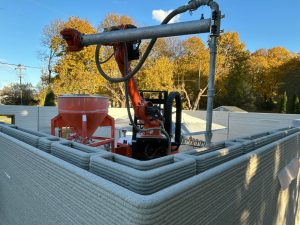
10 Construction Trends That Will Shape the Buildings of Tomorrow Walk around any major city today and you can already see it construction is changing. The conversation is no longer just about how quickly we can put up a building or how high we can go. Builders, architects, developers and even property owners are asking different questions: How much will this building cost to maintain? How much energy will it consume? What happens to the materials when the building is eventually demolished? Those questions will shape construction in the years ahead. Here are 10 trends worth watching. 1. AI in Construction AI will become more useful for planning, cost estimates, scheduling and spotting problems before they become expensive mistakes. 2. Smarter Buildings Buildings will increasingly use sensors to manage lighting, security, temperature, energy and maintenance. 3. Greener Materials Expect more interest in recycled, locally sourced and lower-impact materials as environmental concerns grow. 4. Modular Building More construction work will happen in controlled factory environments before components reach the site. 5. 3D Printing As the technology improves, 3D printing could make some building processes faster while reducing material waste. 6. Climate-Ready Design Heat, flooding and extreme weather will influence how future buildings are designed. 7. Solar and Energy Efficiency Energy costs will continue pushing developers toward solar power, better insulation and efficient building systems. 8. BIM and Digital Planning Digital models will make it easier for teams to understand, coordinate and manage complex projects. 9. Automation Machines and robotics will take on more repetitive and risky construction tasks. 10. Building with Less Waste Reusing, recycling and recovering construction materials will become a bigger part of the industry. Construction will grow, but so will the responsibility that comes with it. In REDCITY, we pays attention to the environmental side of industrial development and creating solutions that help businesses manage pollution and environmental risks. The buildings of tomorrow are not just about what we can build. They are about how responsibly we build them.
10 Construction Trends That Will Shape the Buildings of Tomorrow
10 Construction Trends That Will Shape the Buildings of Tomorrow Walk around any major city today and you can already see it construction is changing. The conversation is no longer just about how quickly we can put up a building or how high we can go. Builders, architects, developers and even property owners are asking different questions: How much will this building cost to maintain? How much energy will it consume? What happens to the materials when the building is eventually demolished? Those questions will shape construction in the years ahead. Here are 10 trends worth watching. 1. AI in Construction AI will become more useful for planning, cost estimates, scheduling and spotting problems before they become expensive mistakes. 2. Smarter Buildings Buildings will increasingly use sensors to manage lighting, security, temperature, energy and maintenance. 3. Greener Materials Expect more interest in recycled, locally sourced and lower-impact materials as environmental concerns grow. 4. Modular Building More construction work will happen in controlled factory environments before components reach the site. 5. 3D Printing As the technology improves, 3D printing could make some building processes faster while reducing material waste. 6. Climate-Ready Design Heat, flooding and extreme weather will influence how future buildings are designed. 7. Solar and Energy Efficiency Energy costs will continue pushing developers toward solar power, better insulation and efficient building systems. 8. BIM and Digital Planning Digital models will make it easier for teams to understand, coordinate and manage complex projects. 9. Automation Machines and robotics will take on more repetitive and risky construction tasks. 10. Building with Less Waste Reusing, recycling and recovering construction materials will become a bigger part of the industry. Construction will grow, but so will the responsibility that comes with it. In REDCITY, we pays attention to the environmental side of industrial development and creating solutions that help businesses manage pollution and environmental risks. The buildings of tomorrow are not just about what we can build. They are about how responsibly we build them.