Whether used as workspaces, relaxation nooks, reading rooms, or creative studios, outdoor pods are designed to blend comfort with nature. Choosing the right location for your pod is just as important as the design itself. A well-placed pod maximizes views, privacy, and functionality. With this in mind, here are 5 perfect spots for an outdoor pod and why they work so well.
1. Garden Corners
A quiet corner of a garden is one of the most ideal places to install an outdoor pod. Surrounded by flowers, shrubs, and trees, the space naturally creates a peaceful and inspiring environment.
Garden pods work particularly well for reading rooms, home offices, or meditation spaces.
The natural greenery reduces noise and stress while creating a calming atmosphere. Positioning the pod where it receives gentle morning sunlight can make the space even more inviting.
2. Backyard Retreats
A backyard offers convenience and flexibility when installing an outdoor pod. It keeps the pod close enough to the house for easy access while still providing separation from everyday household distractions.
Backyard pods are perfect for remote work offices, guest pods, and hobby or craft studios.
Adding a small pathway, outdoor lighting, or a wooden deck around the pod can turn the backyard into a relaxing retreat.
3. Lakeside or Waterfront Areas
If you have access to a lake, river, or waterfront property, placing a pod near the water can create a breathtaking escape. The natural sound of water and open views provide an unmatched sense of tranquility.
Waterfront pods are ideal for writing or creative studios, yoga and wellness spaces, as well as quiet relaxation lounges.
Large windows facing the water can maximize the scenic view and allow natural light to flood the interior.
4. Rooftop Spaces
Urban environments often lack green outdoor areas, but rooftops offer an excellent alternative. A rooftop pod can transform unused space into a private oasis above the city.
Rooftop pods work well for private offices, mini lounges, and personal studios.
With proper structural support and weather protection, rooftop pods can provide impressive city views and plenty of natural light.
5. Poolside Spaces
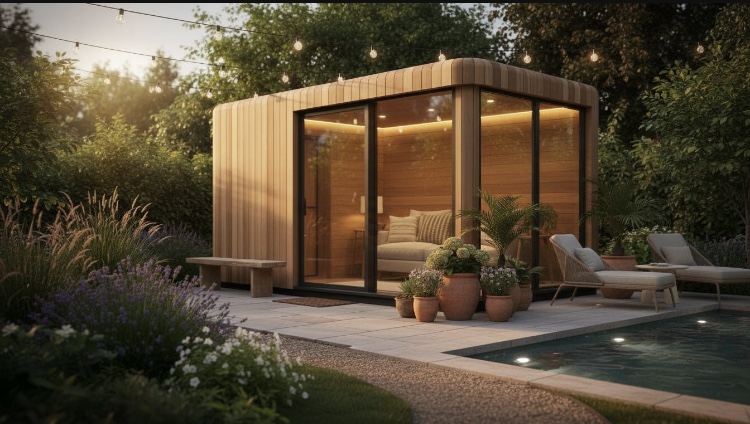
Placing an outdoor pod near a pool area creates a luxurious and relaxing environment. The combination of water, sunlight, and open space makes it an excellent spot for leisure and entertainment.
Poolside pods are ideal for relaxation lounges, changing rooms, and even mini bars or entertainment spaces.
With comfortable seating and sliding glass doors, a poolside pod can become the perfect place to unwind after a swim.
Conclusion
Outdoor pods are versatile spaces that offer privacy, inspiration, and a stronger connection to nature. Whether placed in a garden corner, backyard, lakeside setting, rooftop, or poolside area, the right spot can turn a simple pod into a peaceful retreat. By considering factors like sunlight, accessibility, scenery, and privacy, you can create an outdoor pod that perfectly balances comfort and the natural environment.
If these are spots you’ve considered but don’t have an outdoor pod for them, worry no more. Here at Redcity, we build and design pods of all kinds according to your specifications. Feel free to request a quote now to get started, and while you’re at it, you can check out our other products and services here. Also, don’t hesitate to visit our blog and YouTube channel for more insightful news and updates.
What do you think about these 5 perfect spots for an outdoor pod? Will you try any? Comment below.
Is your home in any way eco-friendly? It’s one question you may need to ask yourself because with the state of the earth today, living sustainably is one way you can contribute easily to a greener environment. Whether you’re planning your dream home from scratch or simply renovating, including eco-friendly features goes a long way in improving both your quality of life and the environment, and you sure as hell don’t want to get things wrong. To help make sure you do things right, here’s a checklist of 7 simple ways to make your home sustainable.
1. Build with Low-carbon Materials:
A good start to living sustainably is to build with eco-friendly materials. In other words, opt for low-carbon materials or materials with low environmental impact, such as reclaimed wood, recycled steel, bamboo, low-carbon concrete, and natural insulators. These materials not only help reduce embodied carbonbut also improve indoor air quality.
2. Integrate Renewable Energy Systems:
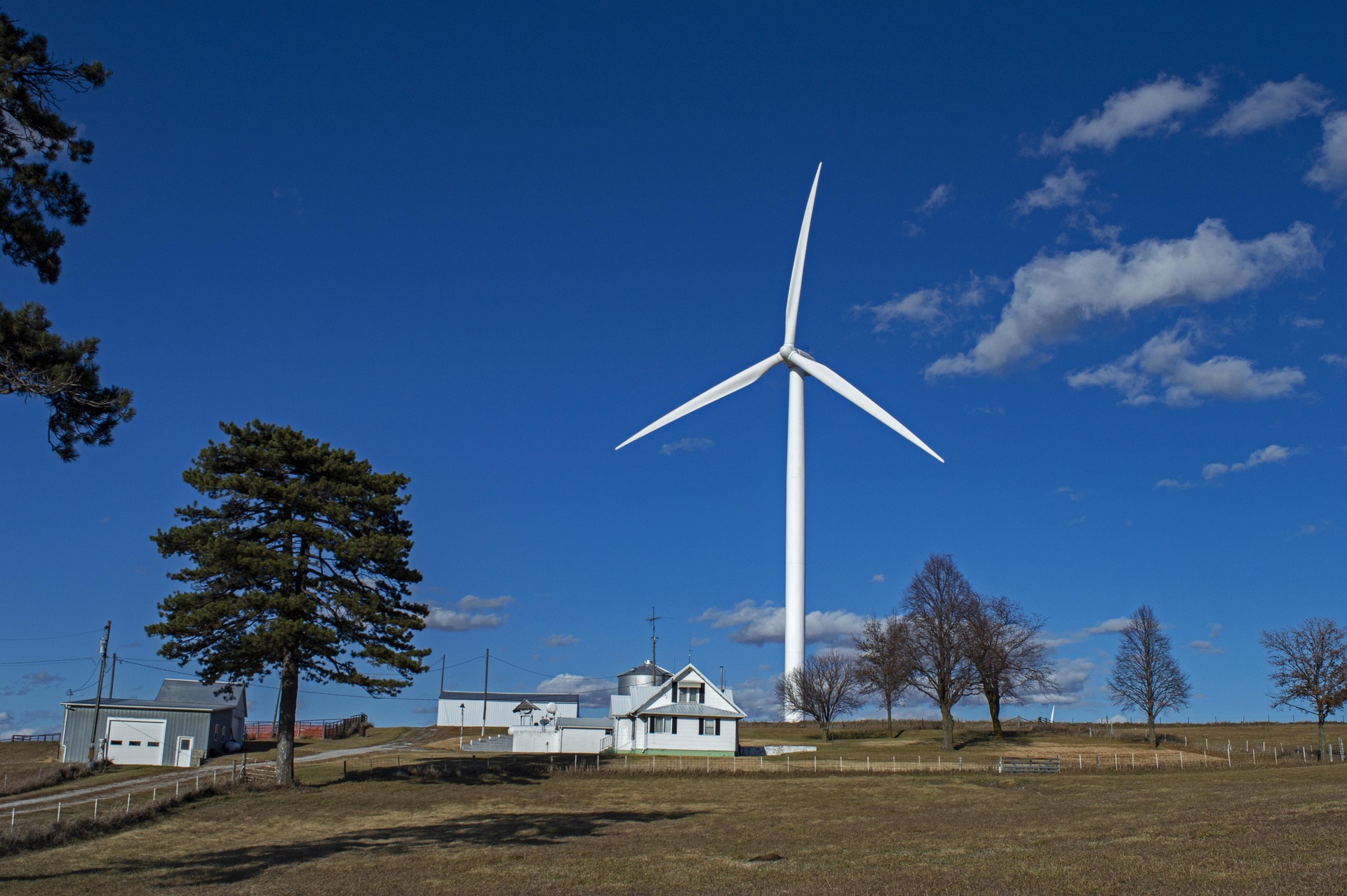
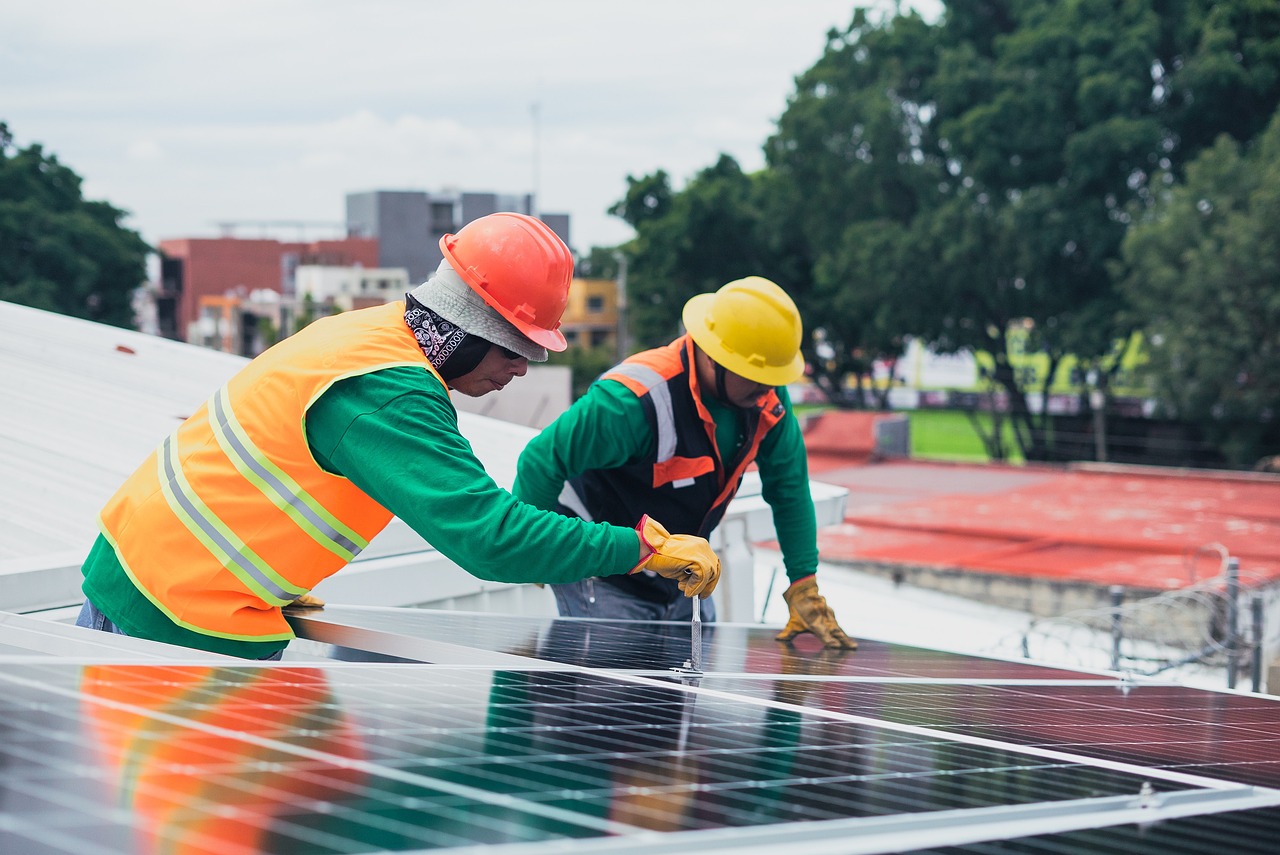
Solar panels are the most common option for houses, but other renewable sources may work depending on your location. For instance, wind turbines are suitable for large rural properties. Other renewables include solar thermal systems and geothermal heating systems. Renewable energy systems are very important because they can push your home closer to net-zero energy consumption.
3. Use Energy-Efficient Insulation and Appliances:
A well-insulated home reduces energy loss. Focus on insulating walls, roofs, floors, windows, and doors because proper insulation typically means better comfort and lower heating and cooling bills.
Similarly, choosing eco-friendly appliances also helps reduce energy consumption, as they use less electricity and water, which pays off in the long run. Additionally, adopting smart systems like smart thermostats, lighting, and energy monitors serves as a good way to optimize and track energy use automatically. These systems not only track consumption, but they also make real-time adjustments, which helps reduce waste and save money.
4. Harvest Rainwater and Implement Greywater Recycling:
Rainwater harvesting systems are perfect when you want to reduce your reliance on municipal water supply or water pumping, which requires a lot of electricity. Simply pair your rainwater harvesting system with smart storage and filtration systems for optimal use.
Another good way to conserve water is greywater recycling. Greywater from sinks, showers, and washing machines can be reused safely for irrigation or toilet flushing.
5. Design for Durability and Low Maintenance:
Sustainability isn’t just about what saves energy; it’s also about what lasts. Therefore, try using durable materials that resist rot and pests, require minimal upkeep, and age well. This helps reduce replacement needs and waste significantly.
6. Include Green Roofing and Landscaping:
Green roofing or strategically placing native plants does wonders to a home. It helps improve insulation, reduces rainwater runoff, supports biodiversity, and lowers surrounding temperatures. Also, native plants usually require less water and little to no chemical intervention. And since they are easily accessible, they are a surefire way to make your home sustainable.
7. Plan for Future Upgrades:
Technology and standards evolve. As a result, it is important to design your home with adaptability in mind. This can be by creating a space for future battery storage, adding EV charging infrastructure, implementing modular spaces for extensions, or adding conduits for additional solar panels. Essentially, future-proofing ensures your home stays sustainable for decades.
Conclusion
You need not build for perfection when it comes to sustainable building. What matters are the thoughtful decisions that ensure a balance between comfort, cost, and environmental responsibility. By following these 7 simple ways to make your home sustainable, you’re not only creating an eco-friendly home, but you’re also building a resilient, efficient, and healthier place to live.
Here at Redcity, we prioritize sustainability and eco-friendly construction. If you’re looking to design, build, or renovate your dream eco-home, we’ve got you covered. You can check out our various services here and request a quote here to get started. While you’re at it, feel free to check out our blog and visit our YouTube channel here.
What are your thoughts on these 7 simple ways to make your home sustainable? Comment below.
Building with shipping containers remains one of the most popular ways of building sustainably. Used in modular or prefabricated construction, shipping containers are excellent materials for fast-paced construction. Not only are they sturdy, but they are also versatile enough to serve as the framework for any livable structure. However, constructing with them can be disastrous when done incorrectly. To ensure you don’t end up regretting that container space you just built, here are 5 fatal mistakes to avoid when building with shipping containers.
1. Choosing the wrong container:
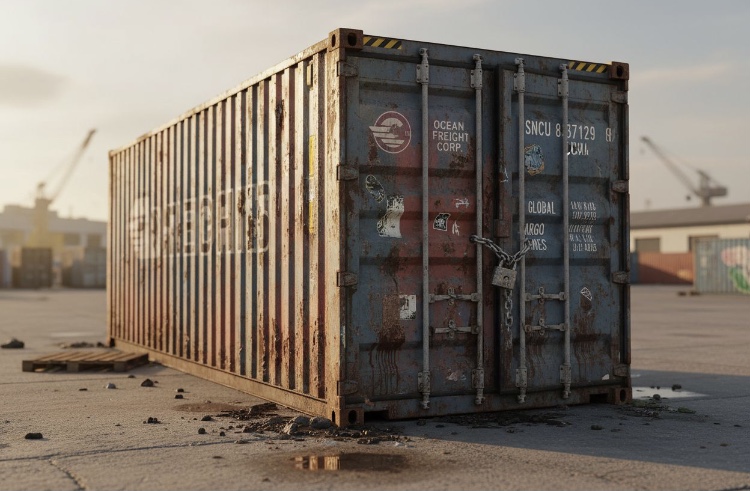
Not all shipping containers are created equal. They usually come in different sizes with varying heights and lengths. Some exist as regular 20 ft or 40 ft containers, and others as high cube containers of equal lengths, each typically measuring 8 ft wide, and 8 ft 6 in or 9 ft 6 in high, respectively.
However, one mistake people make without realizing it is buying the wrong size of container. The problem with this is that there are requirements peculiar to each container, based on its size. For instance, ceiling insulations are best suited for high cube containers, whereas the ceiling insulations may compromise the headroom space in regular containers. Therefore, failure to take note of these differences may affect your being able to live comfortably in the structure.
2. Using very old containers:
Another common mistake people make is buying the cheapest container available without checking its history or condition. Usually, these containers are cheap because they’re very old. Furthermore, in the long run, they usually prove to be way more expensive to use. Not only do they tend to be corroded, dented, deformed, or structurally weak, but they may have also been exposed to toxic materials such as pesticides or chemicals. As a result, you end up incurring more expenses to restore and maintain them.
Where they are not restored or maintained, however, they pose significant health risks and can end up caving in. To avoid this, it is best to purchase your containers from reputable suppliers and conduct thorough in-person inspections before buying. Also, when possible, go for one-trip or certified containers instead.
3. Over-cutting without reinforcement:
Shipping containers are strong because of their steel frame and corrugated walls. Thus, cutting out excess doors or windows from the walls and roof, or combining containers, tends to weaken the structure. In other words, modifying the container is never an issue, but over-modifying it by cutting out more steel than necessary without enough reinforcement can compromise the container’s durability, which can lead to sagging, warping, or even collapse over time.
Therefore, it is usually advisable to reinforce large openings with steel beams or frames where necessary. You can also consult an expert before cutting out large portions of steel from the container. Having a structural engineer review your design will go a long way in preventing a fatal disaster from occurring. Get started by booking a consultationwith us.
4. Poor insulation:
Steel is a terrible insulator. Without proper insulation, container buildings can become extremely hot during hot seasons and very cold in freezing weather. In addition to this, rapid fluctuations in the container’s internal temperature as a result of poor insulation cause condensation and dampness that typically lead to a build-up of mold and rust, both of which pose serious health risks.
To prevent this, use high-quality insulation systems such as spray foam or insulated panels. Also, ensure you design for adequate ventilation and moisture control from the start.
5. Bad foundation planning:
Containers may look tough, but placing them on an unsteady foundation can be detrimental. To begin with, it causes uneven settling of the structure and can lead to structural stress in the long run. Moreover, a poor foundation can develop cracks and cause water infiltration, which exposes the structure to excess moisture and thereby weakens it.
Thus, simply placing containers on blocks or bare ground is rarely sufficient for permanent structures. Instead, design a foundation appropriate for your soil, climate, and building size. For example, concrete piers, slabs, or strip foundations.
Conclusion
Shipping containers can be an incredible building material when used correctly. However, they demand careful planning and technical knowledge. Avoiding these fatal mistakes can be the difference between a smart, sustainable build and a costly nightmare.
Therefore, before starting your container project, ensure you do your research, work with professionals where needed, and treat container construction with the seriousness it deserves.
Or better yet, you can enlist the services of experts like Redcity. After many years carrying out various shipping container projects, we know what works best and what doesn’t when building with shipping containers. To get started, you can simply request a quote here.
How do you think you can avoid these 5 fatal mistakes when building with shipping containers? Tell us your thoughts below.
It’s 2026, and the sustainability movement is only getting stronger. Within the construction industry, sustainability is rapidly becoming the foundation for how modern buildings are designed, built, and operated. As a result, many new trends in the industry are geared towards promoting resource efficiency, net-zero emissions, and resilient infrastructure. To keep you updated and in the loop, we’ve curated a list of 7 of these sustainable construction trends set to shape the industry this new year.
1. Net-Zero Buildings as the New Standard
One thing you can expect to see more of is net-zero energy buildings, or NZEBs for short. No longer just ambitious goals, they are set to become a mainstream requirement as governments and private developers continue adopting regulations that strongly encourage or mandate lower carbon footprints.
NZEBs are buildings that are powered by renewable energy sources and produce as much energy as they consume. They utilize energy-efficient technologies to reduce their energy demand so that their energy consumption is not more than what their renewable energy sources can produce.
Usually, you find NZEBs designed with high-performance insulation, smart HVAC systems with adaptive, automated controls, and advanced photovoltaic (PV) integration on roofs, façades, and windows for the primary purpose of conserving energy. Essentially, these buildings consume less energy while producing enough to offset their operational emissions.
2. Growth of Low-Carbon and Carbon-Negative Materials
Material innovation is one of the most transformative trends in green construction and architecture. Before now, low-carbon and carbon-negative materials have been a go-to sustainable solution for quite a number of constructors and engineers. As such, you can expect a wider adoption of these materials this year. A couple of them include low-carbon concrete alternatives, recycled steel, reclaimed materials, and so on. These materials are crucial for reducing the amount of carbon emitted during construction.
3. Modular and Prefabricated Construction Expands
There are many remarkable benefits that come with modular construction. As a result, it is arguably one of the most common forms of sustainable construction in the world today that is predicted to stay relevant for years to come. This is because of its speed, waste management attributes, low energy consumption, and so much more. This year, more urban buildings, both residential and commercial, are set to be modular, especially due to housing shortages.
4. Smart Building Technologies Driving Efficiency
Sustainable construction doesn’t stop at the structure of a building; it also extends to how the building operates. With more buildings set to become smarter, you can expect to see a rise in smart building technologies this year.
This is because the integration of smart systems typically enhances energy efficiency. In other words, through AI-driven energy management, occupancy sensors and automated lighting, predictive maintenance to reduce equipment failures and waste, and real-time monitoring of indoor air quality, energy consumption can be adequately managed.
In essence, these technologies enable buildings to adapt to usage patterns and environmental conditions, improving sustainability without sacrificing comfort.
5. Growth of Urban Green Infrastructure
Green infrastructure has steadily become a popular choice for construction projects across cities. This is in a bid to improve air quality, reduce floods, and support biodiversity.
Typically, green infrastructure has to do with practices such as green roofing, incorporating rooftop gardens, and adding permeable pavements for stormwater control, as well as infusing other nature-based solutions for climate resilience. As more cities adopt climate-resilient planning this year, these features will become integral to new developments.
6. ESG Requirements Shape Construction Decisions
Environmental, Social, and Governance (ESG) criteria have, for a while now, been influencing how companies build and invest. Therefore, by 2026, expect developers to lean more towards low-impact materials and supply chains, investors to favor more green-certified buildings, and construction firms to integrate sustainability metrics into every project phase.
7. Circular Construction and Material Reuse
The industry is shifting from a take-make-dispose model to one that recycles and reuses. In other words, the industry is slowly prioritizing a more circular model. Circular construction strategies typically involve designing buildings for disassembly, reusing materials from demolition, implementing digital material passports, and reducing waste throughout building lifecycles. The approach minimizes resource extraction and supports long-term environmental goals.
Conclusion
Clearly, the green construction landscape in 2026 will be defined by innovation, responsibility, and resilience. From carbon-negative materials to smart energy systems, these 7 sustainable construction trends show that the industry is moving toward a future where sustainability is not an option; it’s an expectation.
To become a part of the sustainability movement, Redcity has you covered. We offer expert services in sustainable construction for various building projects. You can check our services here and request a quote here to get started. Also, feel free to visit our blog and YouTube channel for more exciting news and content.
What do you think about these 7 sustainable construction trends? Tell us your thoughts below.
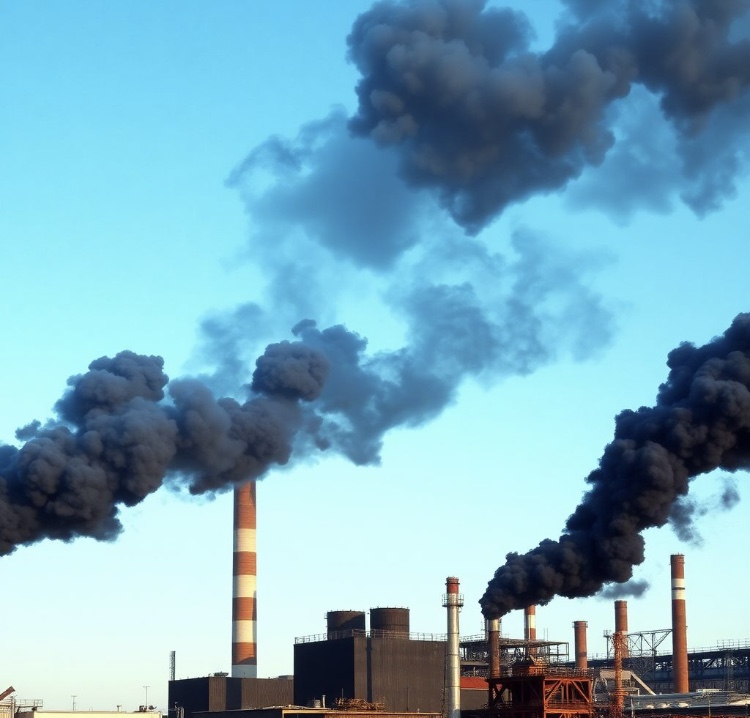
Climate change and global warming have been long-standing issues affecting our world for a while now. For years, countries have come together to discuss solutions for combating these life-threatening issues, one of which is the absorption of carbon emissions from the atmosphere every year to achieve net-zero emissions in the long run. As a result, countries, through bold policy decisions, innovative technologies, and long-term planning, have become remarkable in reducing their carbon emissions.
While no nation has a perfect record, several stand out for achieving measurable and sustained emission reductions. Here are five of these countries that offer compelling examples of climate progress.
Denmark:
Denmark has long been a climate leader, steadily reducing emissions while expanding its economy. The country’s success lies heavily in its early and aggressive adoption of wind power, which now supplies a significant portion of national electricity demand. A few things this small but mighty nation did were to invest heavily in offshore and onshore wind farms, implement strong policies for energy efficiency, and encourage public-private partnerships in green technology. Recently, Denmark also imposed taxes on agricultural emissions in a bid to reduce emissions from the industry and plans to buy back about 15% of its agricultural lands from farmers to plant one billion trees over the next 20 years. By 2045, the country aims to reach carbon neutrality, and its steady decline in emission shows how its diverse efforts are making a commendable impact.
United Kingdom:
The United Kingdom has achieved one of the fastest reductions in carbon emissions among major economies. A remarkable portion of its progress comes from its rapid phase-out of coal-fired power plants, once the backbone of the nation’s electricity supply. They did this by introducing carbon pricing mechanisms, investing in offshore wind, and supporting energy-efficient building and transport policies. Currently, the UK’s emissions have fallen significantly compared to 1990 levels, demonstrating how policy and market shifts can drive major structural changes.
Costa Rica:
Costa Rica has become a global symbol of sustainable development. For multiple years, the country has generated over 98% of its electricity from renewable sources, including hydropower, wind, and geothermal energy. The country made sure to prioritize natural conservation, establish strong environmental protection laws, and invest consistently in renewable infrastructure. Additionally, Costa Rica aims to become one of the world’s first decarbonized economies, with transportation as its next major target.
Germany:
Germany’s famous Energiewende, “energy transition/turnaround,” has helped the country steadily reduce emissions while increasing renewable energy production. By phasing out nuclear and coal power and massively expanding solar and wind energy, Germany has made significant progress in its transition. The country also creates incentives for electric vehicles and energy-efficient buildings to promote public participation in sustainable practices. Although still facing challenges, Germany remains a major industrial power, demonstrating that carbon reductions and economic growth can coexist.
China:
China is the world’s largest emitter, but it has also made some of the most significant contributions to global emissions reductions, which is why it deserves an honorary mention. This densely populated nation has contributed to decarbonization by slowing emissions growth, investing massively in clean energy, and committing to peak emissions before 2030. For instance, China is the world’s largest producer and installer of solar and wind power. It also invests heavily in electric vehicles and houses the world’s biggest EV market. In addition to these, it is rapidly expanding the use of green technologies and has policies to shift from coal toward cleaner energy sources. While challenges remain due to its scale and ongoing industrialization, China’s renewable energy boom represents one of the most consequential climate shifts globally.
Conclusion
In summary, these five countries show that reducing carbon emissions is possible. Through a combination of policy innovations, renewable energy investments, and public engagement, they have been able to significantly reduce their carbon emissions. While each country’s path is unique, their successes offer lessons for the global community to follow.
As a company that prioritizes sustainability, Redcity also contributes to a cleaner tomorrow through its sustainable construction services. From designing and building sustainable exhibition booths, kiosks, and container spaces to constructing EV battery stations, Redcity’s services are limitless. You can learn all about our various services here and request a quote here to get started. While you’re at it, feel free to visit our blog here and check out our YouTube channel for more exciting news and content.
LEED certification serves as one of the leading ways to rate green buildings in Nigeria. As such, it offers a constructive response to sustainability, cost-efficiency, and better infrastructure in the country. This article explores the concept of LEED certification, how it applies in Nigeria, and its benefits and challenges.
What is LEED Certification?
LEED certification, short for Leadership in Energy and Environmental Design, is a rating system developed by the United States Green Building Council (USGBC). It evaluates a building’s sustainability, covering multiple aspects such as the building site, water, energy, materials used, indoor environment, and innovation.
Basically, LEED is a green certification that considers how well a building incorporates eco-friendly attributes in its design. According to USGBC, it offers a framework for healthy, efficient, and cost-effective green building, providing environmental and social benefits. For this reason, buildings usually earn points and are classified at levels from Certified to Silver, Gold, or Platinum based on their score.
Building Requirements for LEED Certification in Nigeria
In constructing a building worthy of LEED certification, you need to include the following features in your project’s design:
1. Sustainable Sites: The building site should have pollution preventive features. For instance, consider implementing an erosion & sedimentation control plan to prevent pollution from construction runoff, dust, soil erosion, etc. Another way is by reducing heat islands and light pollution through cool roofs, shading, and landscaping. Again, the site design should support ecosystems, allow access to public transportation, and protect or restore habitats. It should also be innovative in design, built using creative sustainability strategies and sustainable building materials.
2. Water Efficiency: Another important feature is the inclusion of indoor and outdoor water-saving systems. This is achieved by, for instance, installing efficient plumbing fixtures like low-flow toilets and faucets, by reducing or entirely stopping landscape irrigation water use, reusing rainwater and greywater and so on. In addition, it must feature efficient cooling tower management and advanced water metering systems.
3. Energy & Atmosphere: The building’s use of energy is also key. Therefore, performing energy modeling or prescriptive compliance is important. The building must perform better than a baseline, typically in accordance with ASHRAE standards. Another important thing to do is to install permanent energy meters to track building consumption. Also, commission major energy-using systems such as HVAC, lighting, hot water, etc., and install and operate them correctly. Finally, try to optimize energy performance and utilize renewable energy systems like solar, wind, etc.
4. Materials & Resources: You also need to put the way and manner you collect and store waste into consideration. Therefore, there should be a space provided for recycling plastic, paper, metal, and cardboard waste. Also, create a plan for how waste will be sorted and diverted from landfills to reduce and prevent waste pollution.
5. Indoor Environmental Quality: The building’s outdoor design shouldn’t be the only focus. How it is inside also matters. Therefore, be sure to meet ventilation and acoustic requirements in line with ASHRAE standards. Also, ensure there’s proper indoor air quality for occupants by conducting regular indoor air quality testing. You can also do this by using low-emitting materials, ensuring thermal comfort, and providing superb views for occupants.
These are the core building prerequisites.Meeting them is required before you can earn any points. However, although not formally required, successful LEED buildings also tend to have:
Efficient building orientation, such as solar control, shading, etc.
Smart rainwater and stormwater management systems.
Materials with environmental declarations.
Access to transportation or walkability.
How to get LEED Certification in Nigeria
Becoming LEED certified in Nigeria follows the same process as anywhere in the world. Here’s a quick run-through of the steps involved:
1. Choose the Correct LEED Rating System:
LEED follows a designed rating system for specific project types. You must, therefore, choose the system that best suits your project and register under it, following the appropriate guide. The rating systems exist in three versions: LEED v5, LEED v4.1, and LEED v4, each containing the following options:
LEED BD+C, which means Building Design and Construction.
LEED ID+C, which stands for Interior Design and Construction.
LEED O+M, which means Operations and Maintenance.
LEED ND, which means Neighborhood Development.
LEED Homes for Residential Buildings.
LEED Cities
2. Register Your Project with USGBC: Start by creating an account on USGBC.org. Then register via LEED Online (for LEED v4 or v4.1) or Arc (for LEED v5). Finally, pay the one-time registration fee, which typically ranges from $900 to $5000, depending on your project’s size and certification goal. Note that registration unlocks all required forms and documentation templates.
3. Appoint a LEED Project Team: For this, you’ll need:
A LEED Project Administrator (mandatory)
Architects/engineers
MEP (Mechanical, Electrical, and Plumbing) designers
Contractors who understand LEED requirements
LEED AP (Accredited Professional)
In Nigeria, many developers also hire an external LEED consultant because local LEED experience is still growing.
4. Meet ALL LEED Prerequisites: Prerequisites are mandatory and must be met before certification. Depending on the rating system, typical prerequisites include those building requirements mentioned earlier. Remember, if you fail even one prerequisite, the project may not be certified.
5. Pursue a LEED certification level: LEED certification is classified into four levels based on the number of credit points attained. The levels are:
40–49 points—Certified
50–59 points—Silver
60–79 points—Gold
80+ points—Platinum
These credit points are awarded based on the presence of the various building prerequisites, such as energy efficiency, water management, indoor environmental quality, etc. In Nigeria, credits for energy efficiency, natural ventilation, daylighting, solar PV, water reuse, and site selection tend to be the easiest wins.
6. Adapt LEED Requirements to Nigerian Conditions: LEED allows Alternative Compliance Paths (ACPs) for international projects. These help when local codes differ from U.S. codes, local materials don’t have U.S. certifications, or climate conditions are very different. Thus, Nigeria often uses ACPs for energy modeling, regional material calculations, and indoor environmental quality metrics.
7. Collect Documentation Throughout Design and Construction: You must upload evidence for every credit claimed in areas such as architectural drawings, energy models, water calculations, and so on. Other areas include material product data, construction waste tracking, commissioning reports, and indoor air quality test reports. More often than not, however, documentation is one of the biggest challenges in Nigeria.
8. Submit to GBCI for Review: Afterwards, you may need to submit a design review, construction review, or a combined review. This is so that USGBC’s Green Building Certification Institute will evaluate all prerequisites, score your credits, and issue any necessary feedback.
9. Respond to Review Comments and Resubmit: Here, you typically get a preliminary review, a final review, and an appeal stage. The appeal stage is usually optional and attracts additional fees.
10. Receive Your LEED Certification: Once approved, your project will be certified at the earned level, and you’ll receive an official certificate. You may also choose to purchase a plaque. Then, finally, your project will be listed in the USGBC global directory, the same way green buildings such as Heritage Place, Nestoil Tower, Microsoft Nigeria, etc., are listed.
Benefits of Green Certification in Nigeria
Cost and efficiency savings: LEED-certified buildings report significantly lower utility bills, which is especially relevant in Nigeria, where power and water costs are high and supply is often erratic.
Market advantage: Green-certified buildings can attract premium tenants, better occupancy, and potential rental uplift, as global investors increasingly seek ESG-compliant assets. For example, Heritage Place achieved full occupancy and is marketed as a “sustainable green building” in Lagos.
Policy alignment and climate action: As Nigeria considers its commitments to global climate targets and transitions to low-carbon development, green buildings are one part of the solution.
Recognition and leadership: Becoming one of the few certified buildings places developers ahead of peers and enhances reputation.
Challenges and barriers in Nigeria
Although helpful in promoting sustainability in Nigeria, there are practical obstacles to fully implementing it in the country. Some include:
Low adoption rates: Many buildings are still built without any formal sustainability certification; for example, one study noted that 95% of Nigerian buildings had not applied for LEED certification due to voluntary participation and lack of regulatory mandate.
Cost and resources: LEED certification most often requires significant up-front costs, specialized documentation, audits, and hiring consultants, all of which sometimes act as barriers for smaller developers.
Awareness and expertise gap: There is a limited number of professionals in Nigeria with experience in green building certification. Because of this, there is lower awareness among stakeholders of its long-term benefits.
Regulatory and incentive shortfall: Absence of strong government regulation or financial incentives, such as tax breaks, subsidies, etc., reduces the impetus for certification.
Conclusion
In summary, LEED represents a complementary pathway for green building certification in Nigeria. It offers a broad sustainability framework with tangible results ranging from significant reductions in energy and water use to the embodiment of materials showcased in various projects. As such, it remains vital for the growth of green building practices in the country.
As a construction company that prioritizes sustainable construction, Redcity ensures to incorporate LEED building requirements in its construction designs. To take a look at some of the green services we offer, you can visit here and request a quote here to get started. Also, feel free to visit our YouTube channel here and check out our blog here for more enlightening news and content.
What are your thoughts on LEED certification in Nigeria? Would you want your building LEED certified?
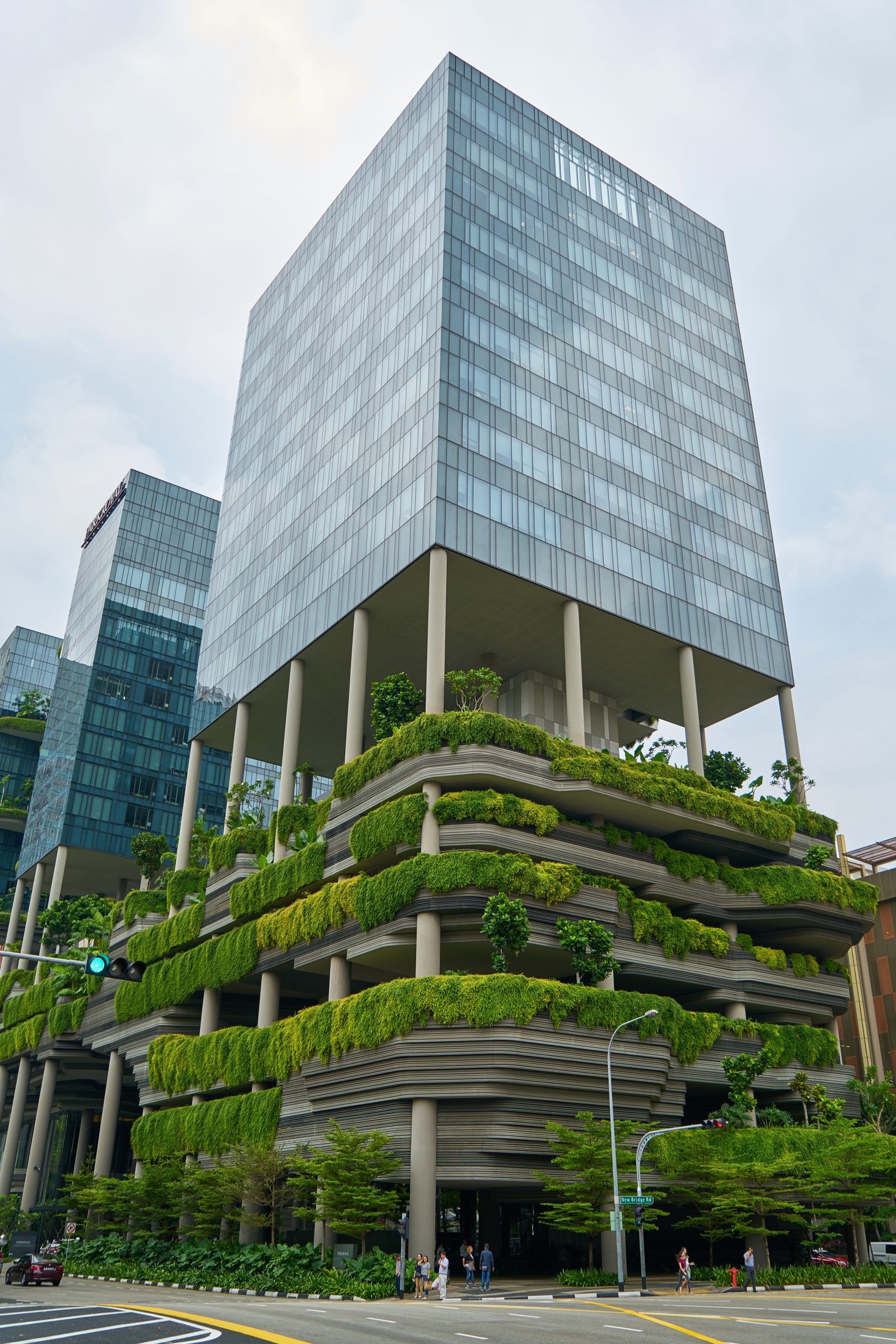
In a continent rapidly urbanizing, the concept of green building is increasingly becoming popular. As a result, many countries in Africa are gradually moving beyond simply erecting skyscrapers and shopping malls; they are now embracing the idea of more green and sustainable buildings.
This investment in sustainable construction not only facilitates vital growth, but it also addresses issues such as poverty, unemployment, and climate change. With that being said, in this article, we will explore what defines a green building and why the world needs more of them before finally diving into examples of green buildings across Africa.
What is a Green Building?
Another way to draft the question may be to ask, “what makes a building green?” You see, a green building is one that is designed, built, operated, or refurbished in a way that is resource-efficient throughout its life cycle. Therefore, a building is green when it incorporates eco-friendly features such as waste management, natural lighting, renewable energy, etc., in its design. The materials used to construct it are also usually sustainable and can include non-carbon concrete alternatives, recycled steel, and so on.
Why the World Needs More Green Buildings
Green buildings come with a myriad of benefits. They are not only good for the environment, but they are also pocket-friendly. Here’s why we need more of them in the world:
Climate change mitigation: Buildings account for a large share of global energy use and greenhouse gas emissions. However, green buildings, with their energy-efficient design and use of renewable energy, help reduce the carbon footprint.
Economic benefits: For property owners and occupants, green buildings often mean lower operating costs. It also means better occupant health and productivity, and increased asset value.
Resource scarcity: Many regions face shortages of water, energy, and raw materials. Green buildings help reduce water consumption and energy demand, easing pressure on infrastructure.
Health and well-being: Better ventilation, daylight, and low-toxicity materials improve indoor environmental quality, which supports the well-being of occupants.
Adaptation and resilience: Especially in regions vulnerable to climate effects such as heat and flooding, green building designs can contribute to resilience by reducing dependencies on fragile infrastructure.
Badass Green Buildings in Africa
1. Eastgate Center:
This mid-1990s office and retail complex in Harare, Zimbabwe, was designed by architect Mick Pearce. The structure uses a natural ventilation and cooling system inspired by termite mounds. As a result, it reportedly uses just about 10% of the energy of a conventionally cooled building of the same size in Harare. Its design also includes thick thermal mass walls, high ceilings, and clever ventilation shafts. These allow natural air flow rather than heavy mechanical cooling.
2. FNB Parkside Building:
Locatedin Windhoek, Namibia, the First National Bank (FNB) Parkside building is recognized as Namibia’s first green building. It comes equipped with features such as energy-efficient lighting, maximized natural daylight, and solar power systems that lower its reliance on the grid. Its water-saving fixtures, sustainable construction materials, and smart building technologies also help reduce both resource consumption and operational costs. As a result, the FNB stands as a strong example of how corporate architecture in Africa and Namibia, especially, is embracing sustainability. You can find more amazing examples of sustainable Namibian buildings in our YouTube video below.
3. Inno-native House:
Designed by Joe Osae‑Addo in Accra, Ghana, the Inno-native House uses locally-sourced materials. They include materials like timber and adobe mud blocks. The house also uses clever passive-cooling strategies. This is done by raising the structure about three feet off the ground to allow under-floor breezes. It also has sliding slatted wood screens, full-height jalousie windows for cross ventilation, and an intentional absence of conventional air-conditioning. Inno-native stands as a strong example of blending traditional building knowledge with modern sustainability.
Another Lagos-based structure, Heritage Place is a 14-floor Grade A office building in Ikoyi, Lagos. It is popularly described as the first commercial building in Nigeria to achieve LEED certification in both design and construction. This is because it is designed to maximize natural light and ventilation, incorporate rainwater harvesting and water reuse, and use sensors and high-efficiency lighting. It is also said to have energy savings of 30-40% compared to typical buildings in Lagos.
6. The Wings Towers:
Also known as the Wings Office Complex, this luxury twin‐tower Grade-A office building in Lagos occupies around 27,000 m² of lettable space. According to sources, it is LEED certified and has an intelligent building management system. It also comes equipped with 24-hour power backup, as well as a water management system for soil and wastewater.
7. El Mandara Eco-Resort:
This sustainable resort in the Fayoum region of Egypt was built using local materials such as mud bricks and palm fronds. The idea behind the structure was a focus on blending architecture with environment. For this reason, the building uses indigenous building materials sympathetic to the site’s climate and the environment.
Conclusion
In essence, these seven buildings illustrate that green building is not only possible in Africa, it’s already happening, gradually and with creativity. From large international organizations to community-driven prototypes, the projects span the spectrum of size, budget, function, and context.
Furthermore, if Africa is to mitigate the dual challenges of urbanization and climate change, green buildings must move from being ‘nice additions’ to becoming the norm. The good news, however, is that owning or constructing a green building is more feasible now than ever. In addition to this, it is a lot more cost-effective in comparison with traditional structures.
Here at Redcity, we prioritize green building practices and ensure to incorporate them in our projects. You can discover many of our services here and request a quote here to get started. Also, feel free to visit our YouTube channel here and check out our blog here for more enlightening news and content.
What do you think about these 7 spectacular green buildings in Africa? Let us know your thoughts below.
From Waste to Worth: 5 Construction Projects Built Using Repurposed Materials
From furniture to houses, there are a number of construction projects that have been built using repurposed materials. These projects showcase how repurposed materials can create structures that are not only sustainable but also aesthetically pleasing. With that said, let’s take a look at 5 of these innovative projects.
1. Two-Seater Oil Drum Bar Table:
Industrial waste meets rustic charm in this creative piece of modern furniture. This two-seater bar table transforms old steel oil barrels into sleek, high-top tables ideal for cafés, patios, as well as bars. It was designed by Redcity for Slap-fight Nigeria and demonstrates how even the simplest of materials, when thoughtfully redesigned, can bring both style and sustainability to everyday spaces.
Redcity’s parallax installation for Eko Anime Fest (2023) was definitely a spectacle to behold. The project involved layering repurposed steel plates in such a way as to create a changing visual illusion of different versions of an Attack on Titan character when viewed from two angles. It was an attention-grabbing installation that served as both a photo booth and a display exhibition.
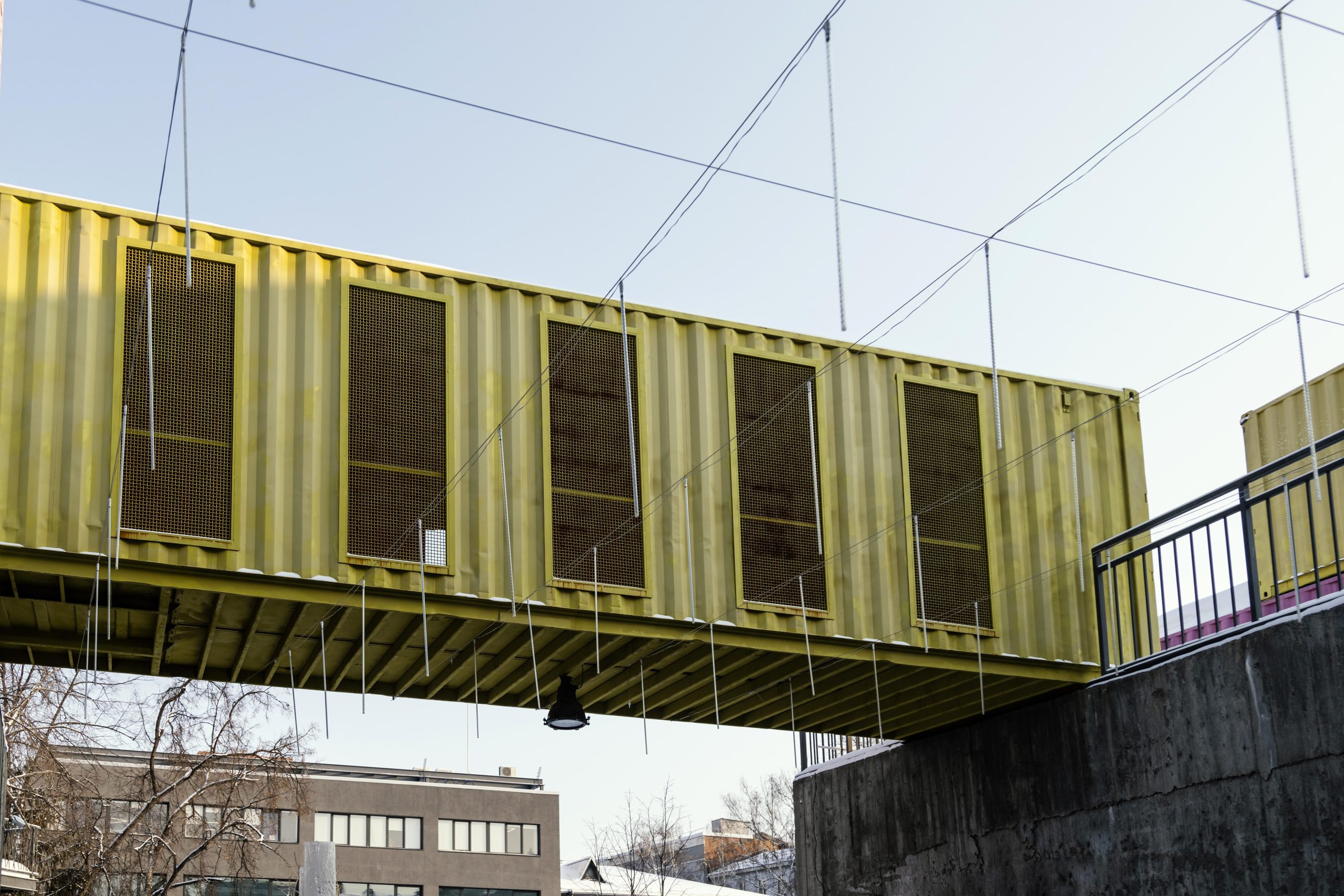
Another Redcity project, this warehouse was built using discarded shipping containers held together with steel beams and rods. The modular design allows for flexible floor plans, quick assembly, and reduced environmental impact compared to traditional concrete builds.
Situated in Bocas del Toro, Panama, the plastic bottle village was a concept conceived by Robert Bezeau whose aim was to build homes using thousands of recycled plastic bottles as part of the wall assemblies. The first home used over 10,000 plastic bottles with subsequent homes using 10,000–25,000 each. The walls are formed by enclosing the bottles in steel mesh or cages and are said to be cost-effective and disaster-resistant. A Guinness World Record, the project is also said to be the world’s largest castle made using plastic bottles.
5. MAD House:
The MAD House, short for Make A Difference House, is another masterpiece located on the Lagoon Front of the University of Lagos, Nigeria. The structure is made of about 26 interconnected shipping containers, forming various creative spaces, studios, and exhibition areas. It is a project that not only highlights creativity but also sustainability through its clever and artistic reuse of shipping containers.
Clearly, these projects represent more than just smart designs. They show how the construction industry actively finds new ways to help protect the environment. With creative engineering and a commitment to sustainability, waste is steadily becoming a valuable resource. Therefore, with just an oil drum or even a plastic bottle, anyone can create something worthwhile and long-lasting.
Feel free to reach out to us here if you’re interested in constructing any similar projects. Also, check out our other products and services here and visit our blog and YouTube channel for more exciting news and content.
What do you think about these 5 projects built using repurposed materials? Would you be constructing one soon? Tell us your thoughts below.
5 Sustainable Building Materials You Should Consider for Your Next Build
It’s no secret that the construction industry is a major contributor to climate change. From increasing environmental waste to depleting natural resources, the industry irreparably hurts the environment. It’s for this reason we need to adopt more eco-friendly solutions, one of which involves utilizing more sustainable building materials.
This is because whether you’re constructing a home, an office, or a commercial structure, the materials you choose play a critical role in the environmental impact of your build. Fortunately, there is a growing list of sustainable materials that combine performance, aesthetics, and eco-friendliness.
Without further ado, here are 5 of the most promising and widely used sustainable building materials you should definitely consider for your next project:
1. Low-Carbon Concrete Alternatives:
Traditional concrete production is one of the largest contributors to global CO₂ emissions. This is largely due to the production process of cement. However, there are so many other sustainable alternatives to traditional concrete, and they work just as well. A couple include:
Sawdust and Wood Ash Concrete: Created using a combination of sawdust, wood ash and cement, it is said to have properties that make it a useful substitute for traditional concrete. In a previous article, we took a deep dive into how to make this sustainable alternative and how to get a sample of it.
Fly ash or slag cement: Fly ash is essentially a by-product of coal production, while slag is a by-product of iron production. Both are usually used to replace a portion of Portland cement in concrete.
Geopolymer concrete: Made through the activation of aluminosilicate materials, geopolymer concreteproduces significantly less carbon than traditional concrete.
These concrete alternatives, like traditional concrete, are used for foundations, walls, and pavements, as well as structural elements.
Recycled steel is obtained by reclaiming and repurposing steel scraps, instead of producing it from scratch. Not only does using recycled steel reduce mining and the need for resource extraction, but it also reduces environmental waste, making it very sustainable. Recycled steel is also very durable which is why it is usually used for framing, roofing, beams, and structural components.
3. Hempcrete:
A bio-composite material, hempcrete, as the name implies, is made using the woody core of the industrial hemp plant, also known as cannabis. This woody core is typically mixed with a lime-based binder to create this carbon-negative material that is naturally resistant to pests and mold.
Additionally, hempcrete is fire-resistant, lightweight, and has superb thermal and acoustic properties. These therefore make it perfect for insulating walls, floors, and roofs in both residential and commercial buildings.
4. Earth and Rammed Earth:
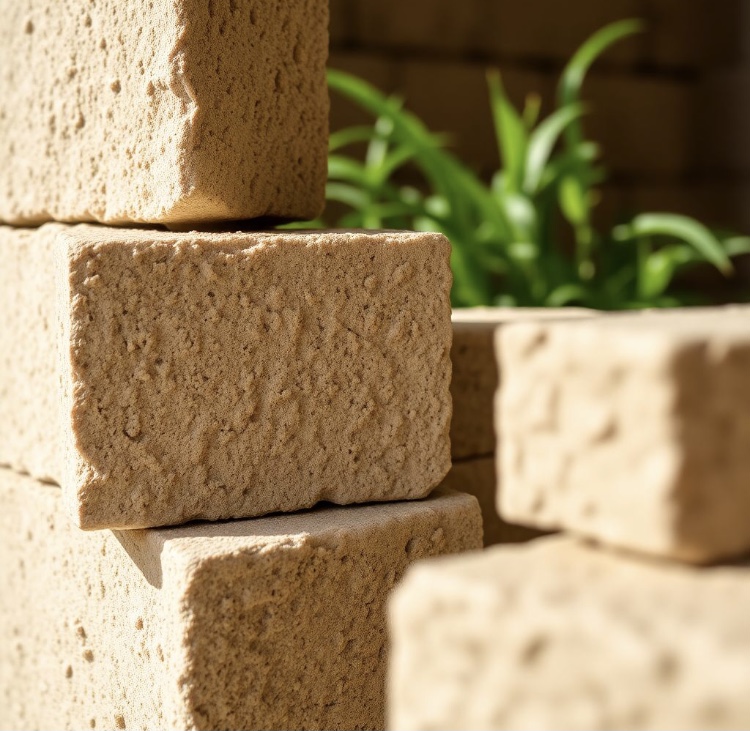
One of the oldest building materials, mud and rammed earth, are making a steady comeback in modern construction. Known for their thermal mass, minimal processing and durability, these materials are perfect for constructing walls, floors, and foundations. They are usually locally sourced and so require little to no energy consumption or CO2 emissions.
5. Recycled Plastic Composites:
Everyone knows plastics are a menace to the environment. They take decades to degrade and are difficult to get rid of. However, when recycled, plastics make very good building materials.
Their durable and low-maintenance nature makes them resistant to moisture, rot, and insects. Plastics are also versatile, making them reusable for a wide variety of purposes such as decking, outdoor furniture, fencing, structural panels, etc. In addition to this, recycling plastics helps to divert plastic waste from landfills and the ocean.
Conclusion
Choosing sustainable materials is not just about environmental responsibility; it’s also about building smarter, healthier, and more resilient spaces. While the right materials depend on your specific project, location, and budget, integrating eco-friendly options where possible can significantly reduce your carbon footprint and operating costs over time.
Here at Redcity, we prioritize sustainable construction, which is why these materials are our go-to for projects. Check out our products and services here and request a quote here to construct one or two with us. Also, visit our blog here for more enlightening news and updates, and check out our YouTube channel here for a lot of exciting content.
Would you be using any of these 5 sustainable building materials in your next project? Let us know your thoughts below.
As you may already know, Lagos is gradually becoming a hotspot for electric mobility innovations. One solution aiding this transition is battery swapping stations because they enable electric vehicle (EV) drivers to swap dead or low batteries for fully charged ones, instead of waiting hours to charge them.
In this article, we will explore the five best battery swapping stations in Lagos. However, before that, let’s briefly discuss what battery swapping stations are, why they are being used, and how they compare to charging stations.
What are battery swapping stations?
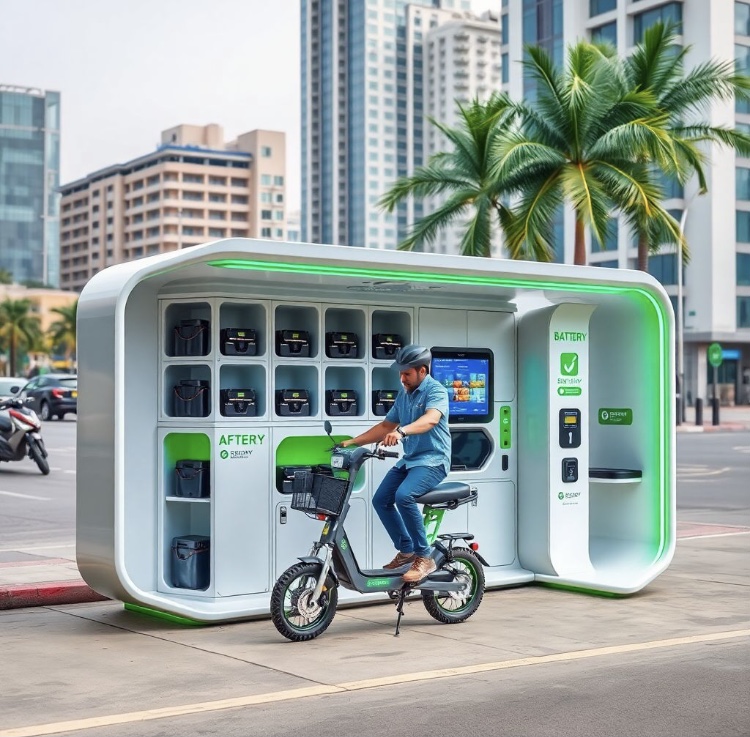
Battery swapping stations are facilities that store fully charged batteries so as to allow owners of electric vehicles, especially electric motorbikes, to replace their depleted batteries with already charged ones.
They are usually modular and can easily and quickly be installed anywhere as kiosks or fixed structures. Most times, they are built with solar panels to make charging the batteries more affordable and sustainable. Moreover, they are very beneficial since they support rapid turnaround and help reduce range anxiety, especially for commercial or delivery fleets.
Why Use Them?
Speed & convenience: Unlike charging, swapping takes just minutes instead of hours to carry out.
Reduced downtime: With battery swapping, users, especially commercial riders, need not experience periods where the vehicle becomes inactive since they can easily swap dead batteries for fully charged ones.
Reliability in regions with irregular power supply: This is because some swap stations incorporate solar or hybrid power to ensure supply.
Environmental benefits: They ensure fewer greenhouse gas emissions, especially if powered by clean energy. Moreover, most, if not all, of these stations are less reliant on petrol or diesel.
The Best Battery Swapping Stations in Lagos
Below are some of the best battery swapping stations, or planned systems, in and around Lagos.
1. AaraGO Battery Swap Station:
Located in Victoria Island, AaraGO is a green‑technology startup that launched a solar‑powered battery swapping station for electric motorbikes in Lagos. This swapping station, situated in Ikoyi, supports solar power, making the station more resilient to grid instability.
2. Swap Station Mobility (SSM) Swap Stations:
Based in Ikoyi, SSM is another clean-energy company providing swap station points along major demand routes and logistics bases in Lagos. They have a partnership with Glovo & Siltech to equip Glovo couriers with e‑motorbikes and provide battery swapping and charging facilities. They also recently partnered with redcity to install swapping stations and kiosks in various areas around the state.
MAX is a Lekki-based company reported to have launched West Africa’s first fully solar‑powered swap station. According to sources, the station, positioned in Lekki, uses a 20 kWp solar photovoltaic array, a 24 kW inverter, and a 30 kWh battery bank. It also stores excess energy for use after sundown or during low sunlight, making it very sustainable. In addition to this, the company plans, in the coming years, to position many more stations along major routes in the state, including Ikeja, Yaba, and so on, to make them more accessible to drivers.
Spiro, an electric mobility company in Nigeria, is said to have a network of 100 active battery swap stations across Nigeria, 64 of which exist in Lagos. They can be found in areas such as Oshodi, Ebute Metta, Ikorodu, and more. The company is currently making plans to scale up to 1,000 stations by the end of 2025, and 2,000 nationwide by 2026.
Another Victoria Island-based company, Siltech focuses on developing an electric mobility ecosystem. They’ve achieved this by not only manufacturing electric vehicles but also battery swapping stations for said vehicles. The company remains a pioneer in electric mobility in Africa and their products are known to be reliable and efficient.
Battery swapping stations are rapidly emerging as a practical, efficient, and cleaner alternative to traditional charging, especially in a traffic‑dense, grid‑unstable city like Lagos. With players like Swap Station Mobility, AaraGO, MAX, Spiro, and Siltech, the momentum is building. For residents, riders, and fleet operators, staying informed about the locations, costs, and services of these stations helps in making smarter choices and contributing to a greener, more efficient transport future for Lagos.
Here at RedCity, we design and build the skeletal frameworks for the battery charging ports. Whether it’s a solar kiosk or a fixed structure, you can trust us to get it done. Get a glimpse into some of our past jobs here and request a quote here to get started. While you’re at it, check out our other products and services here and discover more of our exciting content here.
What do you think of these 5 best battery swapping stations in Lagos? Would you be trying out any? Comment below.