
Is your home in any way eco-friendly? It’s one question you may need to ask yourself because with the state of the earth today, living sustainably is one way you can contribute easily to a greener environment. Whether you’re planning your dream home from scratch or simply renovating, including eco-friendly features goes a long way in improving both your quality of life and the environment, and you sure as hell don’t want to get things wrong. To help make sure you do things right, here’s a checklist of 7 simple ways to make your home sustainable.
1. Build with Low-carbon Materials:
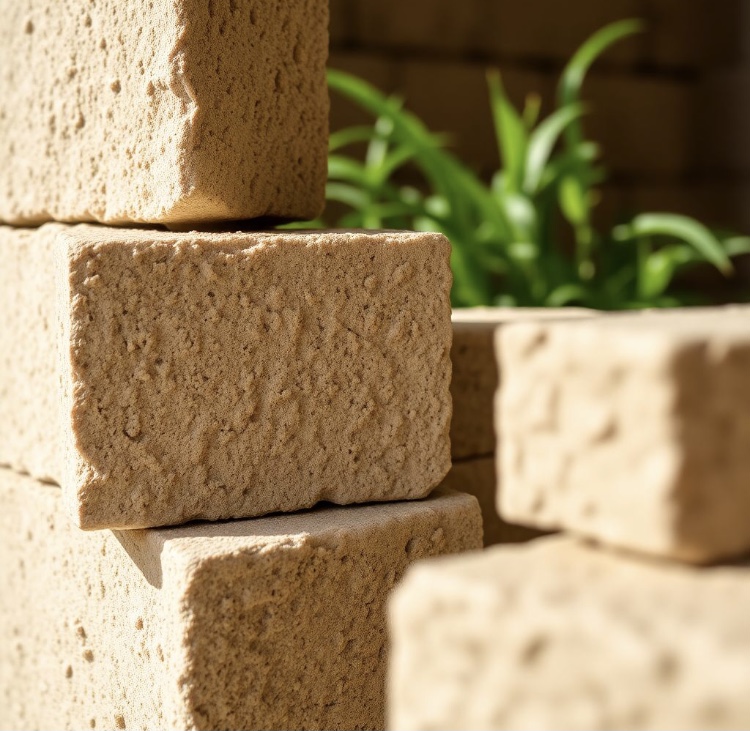
A good start to living sustainably is to build with eco-friendly materials. In other words, opt for low-carbon materials or materials with low environmental impact, such as reclaimed wood, recycled steel, bamboo, low-carbon concrete, and natural insulators. These materials not only help reduce embodied carbon but also improve indoor air quality.
2. Integrate Renewable Energy Systems:
Solar panels are the most common option for houses, but other renewable sources may work depending on your location. For instance, wind turbines are suitable for large rural properties. Other renewables include solar thermal systems and geothermal heating systems. Renewable energy systems are very important because they can push your home closer to net-zero energy consumption.
3. Use Energy-Efficient Insulation and Appliances:
A well-insulated home reduces energy loss. Focus on insulating walls, roofs, floors, windows, and doors because proper insulation typically means better comfort and lower heating and cooling bills.
Similarly, choosing eco-friendly appliances also helps reduce energy consumption, as they use less electricity and water, which pays off in the long run. Additionally, adopting smart systems like smart thermostats, lighting, and energy monitors serves as a good way to optimize and track energy use automatically. These systems not only track consumption, but they also make real-time adjustments, which helps reduce waste and save money.
4. Harvest Rainwater and Implement Greywater Recycling:
Rainwater harvesting systems are perfect when you want to reduce your reliance on municipal water supply or water pumping, which requires a lot of electricity. Simply pair your rainwater harvesting system with smart storage and filtration systems for optimal use.
Another good way to conserve water is greywater recycling. Greywater from sinks, showers, and washing machines can be reused safely for irrigation or toilet flushing.
5. Design for Durability and Low Maintenance:
Sustainability isn’t just about what saves energy; it’s also about what lasts. Therefore, try using durable materials that resist rot and pests, require minimal upkeep, and age well. This helps reduce replacement needs and waste significantly.
6. Include Green Roofing and Landscaping:
Green roofing or strategically placing native plants does wonders to a home. It helps improve insulation, reduces rainwater runoff, supports biodiversity, and lowers surrounding temperatures. Also, native plants usually require less water and little to no chemical intervention. And since they are easily accessible, they are a surefire way to make your home sustainable.
7. Plan for Future Upgrades:
Technology and standards evolve. As a result, it is important to design your home with adaptability in mind. This can be by creating a space for future battery storage, adding EV charging infrastructure, implementing modular spaces for extensions, or adding conduits for additional solar panels. Essentially, future-proofing ensures your home stays sustainable for decades.
Conclusion
You need not build for perfection when it comes to sustainable building. What matters are the thoughtful decisions that ensure a balance between comfort, cost, and environmental responsibility. By following these 7 simple ways to make your home sustainable, you’re not only creating an eco-friendly home, but you’re also building a resilient, efficient, and healthier place to live.
Here at Redcity, we prioritize sustainability and eco-friendly construction. If you’re looking to design, build, or renovate your dream eco-home, we’ve got you covered. You can check out our various services here and request a quote here to get started. While you’re at it, feel free to check out our blog and visit our YouTube channel here.
What are your thoughts on these 7 simple ways to make your home sustainable? Comment below.