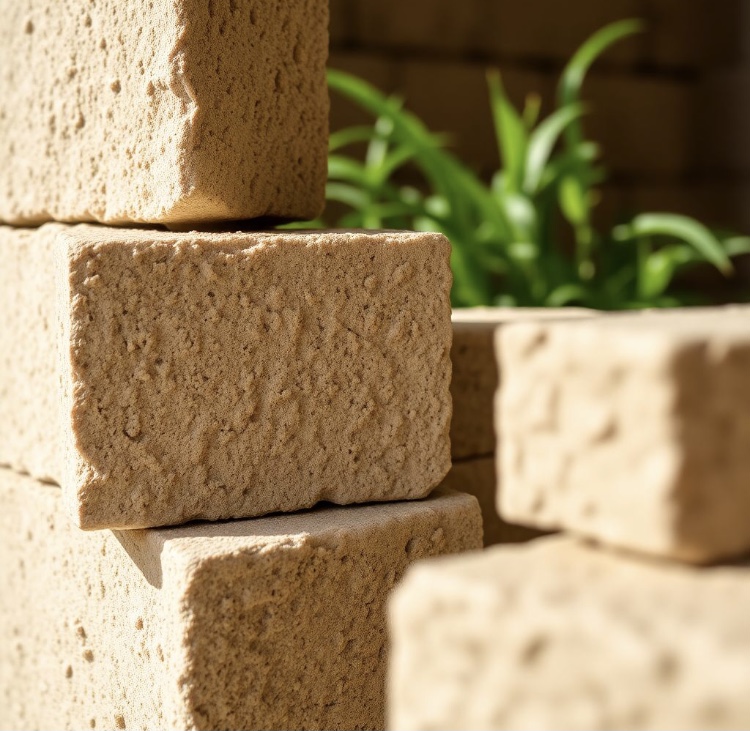

7 Simple Ways to Make Your Home Sustainable

Is your home in any way eco-friendly? It’s one question you may need to ask yourself because with the state of the earth today, living sustainably is one way you can contribute easily to a greener environment. Whether you’re planning your dream home from scratch or simply renovating, including eco-friendly features goes a long way in improving both your quality of life and the environment, and you sure as hell don’t want to get things wrong. To help make sure you do things right, here’s a checklist of 7 simple ways to make your home sustainable.

1. Build with Low-carbon Materials:

A good start to living sustainably is to build with eco-friendly materials. In other words, opt for low-carbon materials or materials with low environmental impact, such as reclaimed wood, recycled steel, bamboo, low-carbon concrete, and natural insulators. These materials not only help reduce embodied carbon but also improve indoor air quality.

2. Integrate Renewable Energy Systems:

Solar panels are the most common option for houses, but other renewable sources may work depending on your location. For instance, wind turbines are suitable for large rural properties. Other renewables include solar thermal systems and geothermal heating systems. Renewable energy systems are very important because they can push your home closer to net-zero energy consumption.

3. Use Energy-Efficient Insulation and Appliances:

A well-insulated home reduces energy loss. Focus on insulating walls, roofs, floors, windows, and doors because proper insulation typically means better comfort and lower heating and cooling bills. 

Similarly, choosing eco-friendly appliances also helps reduce energy consumption, as they use less electricity and water, which pays off in the long run. Additionally, adopting smart systems like smart thermostats, lighting, and energy monitors serves as a good way to optimize and track energy use automatically. These systems not only track consumption, but they also make real-time adjustments, which helps reduce waste and save money.

4. Harvest Rainwater and Implement Greywater Recycling:

Rainwater harvesting systems are perfect when you want to reduce your reliance on municipal water supply or water pumping, which requires a lot of electricity. Simply pair your rainwater harvesting system with smart storage and filtration systems for optimal use.

Another good way to conserve water is greywater recycling. Greywater from sinks, showers, and washing machines can be reused safely for irrigation or toilet flushing. 

5. Design for Durability and Low Maintenance:

Sustainability isn’t just about what saves energy; it’s also about what lasts. Therefore, try using durable materials that resist rot and pests, require minimal upkeep, and age well. This helps reduce replacement needs and waste significantly.

6. Include Green Roofing and Landscaping:

Green roofing or strategically placing native plants does wonders to a home. It helps improve insulation, reduces rainwater runoff, supports biodiversity, and lowers surrounding temperatures. Also, native plants usually require less water and little to no chemical intervention. And since they are easily accessible, they are a surefire way to make your home sustainable.

7. Plan for Future Upgrades:

Technology and standards evolve. As a result, it is important to design your home with adaptability in mind. This can be by creating a space for future battery storage, adding EV charging infrastructure, implementing modular spaces for extensions, or adding conduits for additional solar panels. Essentially, future-proofing ensures your home stays sustainable for decades.

Conclusion

You need not build for perfection when it comes to sustainable building. What matters are the thoughtful decisions that ensure a balance between comfort, cost, and environmental responsibility. By following these 7 simple ways to make your home sustainable, you’re not only creating an eco-friendly home, but you’re also building a resilient, efficient, and healthier place to live.

Here at Redcity, we prioritize sustainability and eco-friendly construction. If you’re looking to design, build, or renovate your dream eco-home, we’ve got you covered. You can check out our various services here and request a quote here to get started. While you’re at it, feel free to check out our blog and visit our YouTube channel here.

What are your thoughts on these 7 simple ways to make your home sustainable? Comment below.
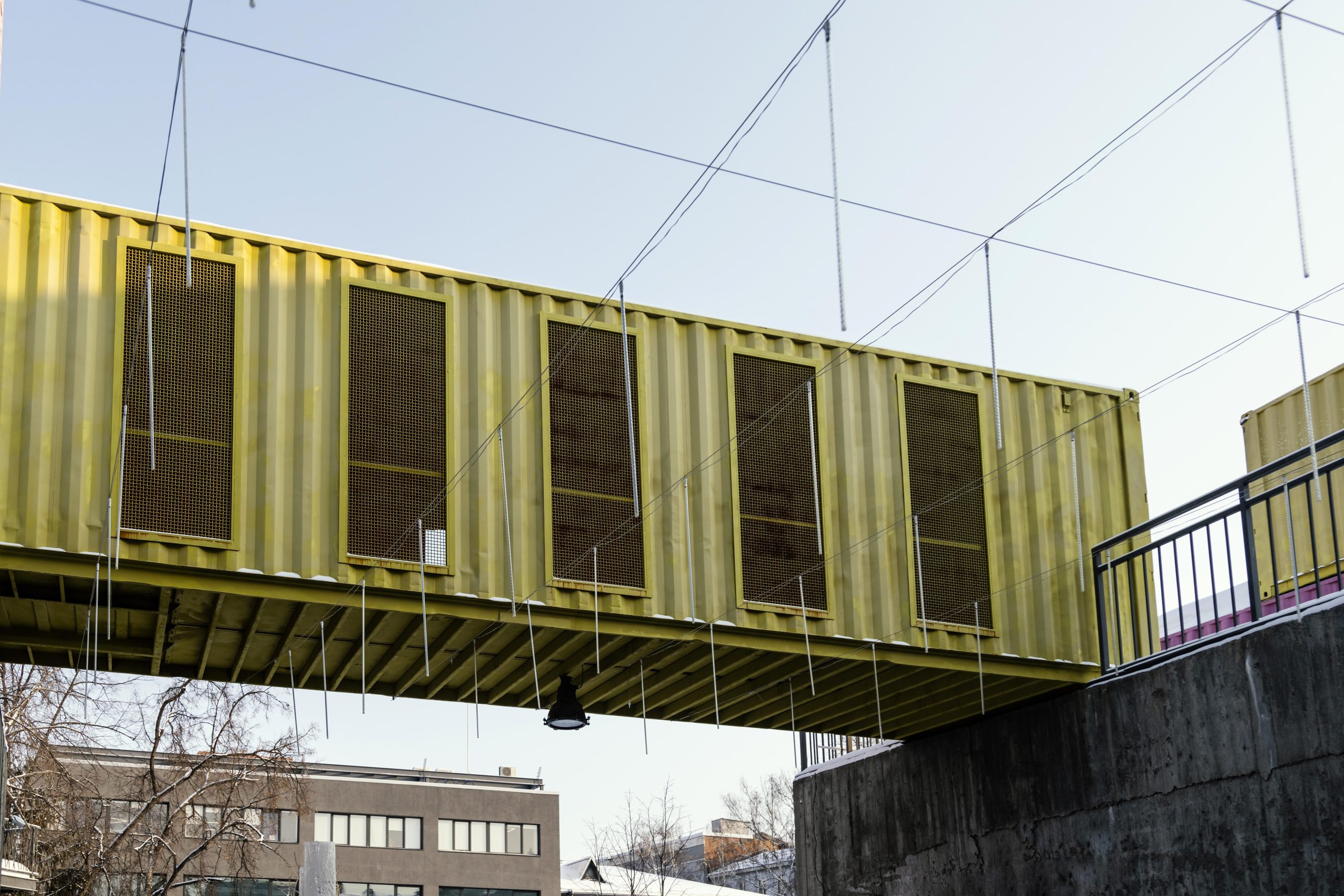
From Waste to Worth: 5 Projects Built Using Repurposed Materials

From Waste to Worth: 5 Construction Projects Built Using Repurposed Materials

From furniture to houses, there are a number of construction projects that have been built using repurposed materials. These projects showcase how repurposed materials can create structures that are not only sustainable but also aesthetically pleasing. With that said, let’s take a look at 5 of these innovative projects. 

1. Two-Seater Oil Drum Bar Table:

Industrial waste meets rustic charm in this creative piece of modern furniture. This two-seater bar table transforms old steel oil barrels into sleek, high-top tables ideal for cafés, patios, as well as bars. It was designed by Redcity for Slap-fight Nigeria and demonstrates how even the simplest of materials, when thoughtfully redesigned, can bring both style and sustainability to everyday spaces.

View this post on Instagram

A post shared by Redcity Company (@redcityco)

2. Steel parallax installation:

Redcity’s parallax installation for Eko Anime Fest (2023) was definitely a spectacle to behold. The project involved layering repurposed steel plates in such a way as to create a changing visual illusion of different versions of an Attack on Titan character when viewed from two angles. It was an attention-grabbing installation that served as both a photo booth and a display exhibition.

View this post on Instagram

A post shared by Redcity Company (@redcityco)

3. Container Warehouse:

Another Redcity project, this warehouse was built using discarded shipping containers held together with steel beams and rods. The modular design allows for flexible floor plans, quick assembly, and reduced environmental impact compared to traditional concrete builds.

View this post on Instagram

A post shared by Redcity Company (@redcityco)

4. Plastic Bottle Village:

Situated in Bocas del Toro, Panama, the plastic bottle village was a concept conceived by Robert Bezeau whose aim was to build homes using thousands of recycled plastic bottles as part of the wall assemblies. The first home used over 10,000 plastic bottles with subsequent homes using 10,000–25,000 each. The walls are formed by enclosing the bottles in steel mesh or cages and are said to be cost-effective and disaster-resistant. A Guinness World Record, the project is also said to be the world’s largest castle made using plastic bottles.

5. MAD House:

The MAD House, short for Make A Difference House, is another masterpiece located on the Lagoon Front of the University of Lagos, Nigeria. The structure is made of about 26 interconnected shipping containers, forming various creative spaces, studios, and exhibition areas. It is a project that not only highlights creativity but also sustainability through its clever and artistic reuse of shipping containers.

View this post on Instagram

A post shared by Damilola Onafuwa (@damilolaonafuwa)

Conclusion

Clearly, these projects represent more than just smart designs. They show how the construction industry actively finds new ways to help protect the environment. With creative engineering and a commitment to sustainability, waste is steadily becoming a valuable resource. Therefore, with just an oil drum or even a plastic bottle, anyone can create something worthwhile and long-lasting.

Feel free to reach out to us here if you’re interested in constructing any similar projects. Also, check out our other products and services here and visit our blog and YouTube channel for more exciting news and content.

What do you think about these 5 projects built using repurposed materials? Would you be constructing one soon? Tell us your thoughts below.

5 Sustainable Building Materials To Consider for Your Next Build

5 Sustainable Building Materials You Should Consider for Your Next Build

It’s no secret that the construction industry is a major contributor to climate change. From increasing environmental waste to depleting natural resources, the industry irreparably hurts the environment. It’s for this reason we need to adopt more eco-friendly solutions, one of which involves utilizing more sustainable building materials. 

This is because whether you’re constructing a home, an office, or a commercial structure, the materials you choose play a critical role in the environmental impact of your build. Fortunately, there is a growing list of sustainable materials that combine performance, aesthetics, and eco-friendliness.

Without further ado, here are 5 of the most promising and widely used sustainable building materials you should definitely consider for your next project:

1. Low-Carbon Concrete Alternatives:

Traditional concrete production is one of the largest contributors to global CO₂ emissions. This is largely due to the production process of cement. However, there are so many other sustainable alternatives to traditional concrete, and they work just as well. A couple include:

Sawdust and Wood Ash Concrete: Created using a combination of sawdust, wood ash and cement, it is said to have properties that make it a useful substitute for traditional concrete. In a previous article, we took a deep dive into how to make this sustainable alternative and how to get a sample of it. 

Fly ash or slag cement: Fly ash is essentially a by-product of coal production, while slag is a by-product of iron production. Both are usually used to replace a portion of Portland cement in concrete.

Geopolymer concrete: Made through the activation of aluminosilicate materials, geopolymer concrete produces significantly less carbon than traditional concrete.

These concrete alternatives, like traditional concrete, are used for foundations, walls, and pavements, as well as structural elements.

View this post on Instagram

A post shared by Redcity Company (@redcityco)

2. Recycled Steel:

Recycled steel is obtained by reclaiming and repurposing steel scraps, instead of producing it from scratch. Not only does using recycled steel reduce mining and the need for resource extraction, but it also reduces environmental waste, making it very sustainable. Recycled steel is also very durable which is why it is usually used for framing, roofing, beams, and structural components.

3. Hempcrete:

A bio-composite material, hempcrete, as the name implies, is made using the woody core of the industrial hemp plant, also known as cannabis. This woody core is typically mixed with a lime-based binder to create this carbon-negative material that is naturally resistant to pests and mold.

Additionally, hempcrete is fire-resistant, lightweight, and has superb thermal and acoustic properties. These therefore make it perfect for insulating walls, floors, and roofs in both residential and commercial buildings.

4. Earth and Rammed Earth:

One of the oldest building materials, mud and rammed earth, are making a steady comeback in modern construction. Known for their thermal mass, minimal processing and durability, these materials are perfect for constructing walls, floors, and foundations. They are usually locally sourced and so require little to no energy consumption or CO2 emissions.

5. Recycled Plastic Composites:

Everyone knows plastics are a menace to the environment. They take decades to degrade and are difficult to get rid of. However, when recycled, plastics make very good building materials. 

Their durable and low-maintenance nature makes them resistant to moisture, rot, and insects. Plastics are also versatile, making them reusable for a wide variety of purposes such as decking, outdoor furniture, fencing, structural panels, etc. In addition to this, recycling plastics helps to divert plastic waste from landfills and the ocean.

Conclusion

Choosing sustainable materials is not just about environmental responsibility; it’s also about building smarter, healthier, and more resilient spaces. While the right materials depend on your specific project, location, and budget, integrating eco-friendly options where possible can significantly reduce your carbon footprint and operating costs over time.

Here at Redcity, we prioritize sustainable construction, which is why these materials are our go-to for projects. Check out our products and services here and request a quote here to construct one or two with us. Also, visit our blog here for more enlightening news and updates, and check out our YouTube channel here for a lot of exciting content.

Would you be using any of these 5 sustainable building materials in your next project? Let us know your thoughts below.

Redcity