
Believe it or not, many insane myths exist about engineering that people still believe today. This is so even though engineering is everywhere. From the smartphones in our pockets to the roads we drive on and the power systems that keep our homes running, engineering quietly shapes our everyday life.
Yet, despite how important it is, many people still hold misconceptions about what engineers do and how engineering actually works. While some of these myths are harmless, others can lead to unrealistic expectations about technology, infrastructure, and innovation. For this reason, we will be separating the facts from fiction by reviewing some of these insane myths about engineering that people still believe.
Myth #1: Engineers Are Just Good at Math
When people think of engineers, they often picture someone solving endless equations on a whiteboard. However, while mathematics is an important tool, engineering is much more than calculations. Engineers are problem-solvers. They combine creativity, critical thinking, communication, economics, safety considerations, and practical experience to develop solutions that work in the real world.
A bridge isn't successful simply because the math checks out. It must also be safe, affordable, durable, environmentally responsible, and practical to build. In many cases, engineering is just as much about making smart decisions as it is about solving equations.
Myth #2: If It Works, It's Good Engineering
Many people assume that if a machine, structure, or system functions, it must be well engineered. Unfortunately, this is not entirely true. Good engineering isn't just about making something work; it’s about making it work efficiently, safely, reliably, and economically.
For example, anyone can build a vehicle that moves. The real challenge, which is where engineering steps in, is building one that is affordable, energy-efficient, easy to maintain, safe during accidents, and capable of lasting for years. In essence, engineering excellence lies in optimization, not simply functionality.
Myth #3: Engineers Build Everything Alone
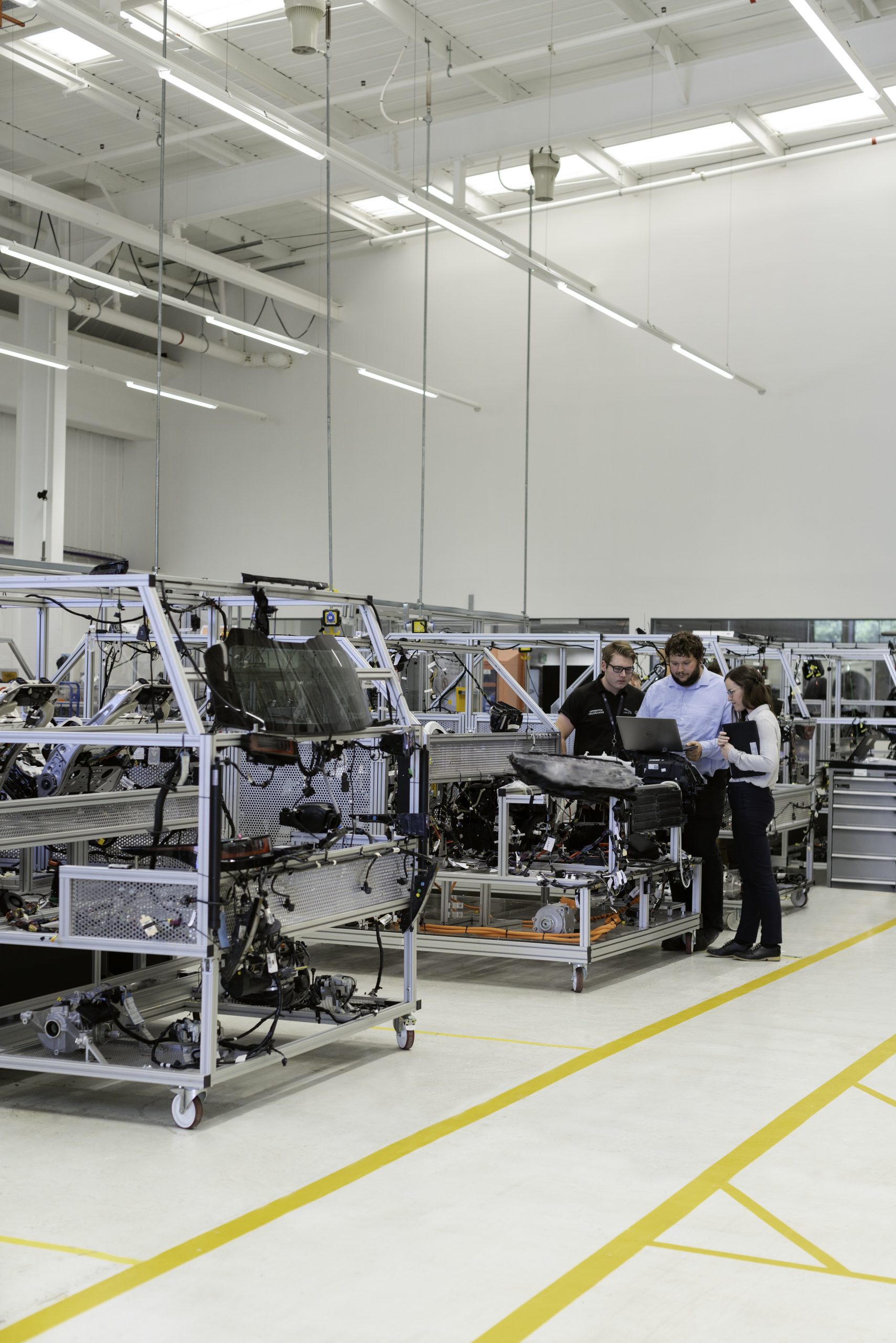
Movies often portray brilliant individuals creating revolutionary inventions all by themselves. In reality, this is not the case. Engineering has always been highly collaborative. For instance, a single modern project may involve electrical engineers, mechanical engineers, civil engineers, software developers, architects, environmental specialists, project managers, technicians, and regulatory experts.
Whether it's constructing a solar power plant, designing an electric vehicle, or building a skyscraper, teamwork is essential. Thus, behind every major engineering achievement is usually an entire ecosystem of professionals working together.
Myth #4: Advanced Technology Always Means Better
When faced with a problem, many people assume the most advanced technology is automatically the best answer. However, engineers know that this is rarely true. Sometimes, the simplest solution is the most effective.
For instance, a sophisticated automated system may look impressive, but if it is expensive to maintain, difficult to repair, or unsuitable for local conditions, a simpler design may outperform it. Basically, the best engineering solution is not always the most complex one; it's the one that solves the problem more effectively.
Myth #5: Engineers Only Work on Big Projects
Skyscrapers, power stations, aircraft, and highways often dominate discussions about engineering. However, engineering also improves countless everyday products and systems.
Engineers design products such as water purification systems, household appliances, mobile apps, medical devices, traffic signals, and even the packaging that protects products during shipping. As you can see, some of the most impactful engineering innovations are so seamlessly integrated into daily life that people barely notice them.
Myth #6: Engineers Can Predict Everything
People sometimes wonder why bridges fail, why equipment breaks down, or why infrastructure sometimes underperforms if engineers supposedly planned everything. The truth is that engineering deals with probabilities, uncertainties, and changing conditions.
Engineers use the best available data, testing methods, and design standards, but no system exists in a perfectly controlled environment. Bear in mind that unexpected loads, extreme weather conditions, human error, poor maintenance, and material degradation are factors that can affect performance over time. Thus, remember that engineering simply reduces risks; it does not eliminate it entirely.
Myth #7: Engineering Is Only About Machines and Structures
Engineering extends far beyond physical objects. These days, engineers work on software platforms, renewable energy systems, telecommunications networks, artificial intelligence, transportation systems, medical technologies, and smart infrastructure.
This is because as technology evolves, engineering continues to expand into new fields that shape how societies function and grow.
Conclusion
Engineering isn't just about equations, machines, or construction sites, like the myths portray. It's about solving problems, managing risks, balancing constraints, and improving how people live and work. So, the next time you cross a bridge, charge your phone, ride an electric vehicle, or switch on a light, remember that it’s all thanks to engineering. And also, keep in mind that engineering is not just about technology but also about people.
For expert engineering services relating to sustainable construction and renewable energy, feel free to request a quote here to get started. Also, check out the various services we offer here. While you’re at it, you can visit our blog and YouTube channel for more exciting news and content.
What are your thoughts on these insane myths about engineering that people still believe? Did you ever believe any of them? Comment below!